

Device Closure for Congenital Heart Defects
Overview
Device Closure is a modern, minimally invasive cardiac procedure performed to close abnormal openings (holes) in the heart. These openings—often present from birth—can cause abnormal blood flow between the chambers of the heart, leading to breathlessness, fatigue, poor growth in children, palpitations, or heart failure. Device Closure safely seals these defects without the need for open-heart surgery.
At Good Heart Clinic, Device Closure is performed using advanced catheter-based technology inside a specialized cath lab. The procedure involves inserting a small closure device through a blood vessel and guiding it to the defect area. Once placed, the device seals the hole permanently, allowing the heart to function normally. This approach offers quick recovery, less discomfort, and excellent long-term results.
Device Closure procedures commonly treat defects such as ASD (Atrial Septal Defect), VSD (Ventricular Septal Defect), and PDA (Patent Ductus Arteriosus). They help restore normal circulation and prevent long-term complications like arrhythmias, lung hypertension, or heart enlargement.
Device Closure in Pune
If you are looking for advanced device closure in Pune, Good Heart Clinic offers expert evaluation and interventional cardiology care for patients with congenital or structural heart defects such as ASD, VSD, and PDA.
Device closure is a minimally invasive procedure used to treat heart defects without open-heart surgery.
What is a Device Closure for Congenital Heart Defects?
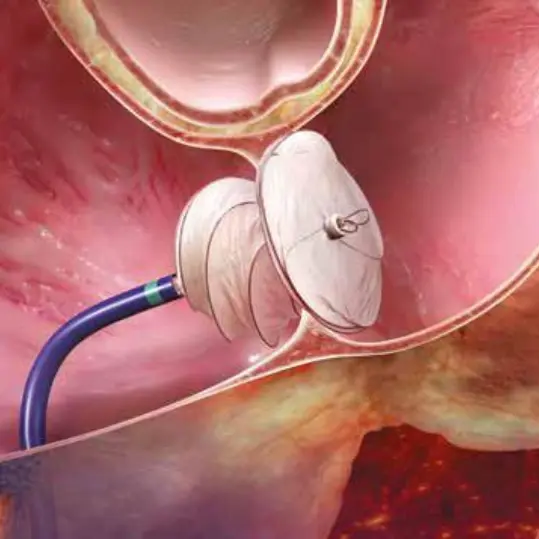
Device Closure is a catheter-based cardiac technique used to close structural defects in the heart without performing open-heart surgery. A small metal-mesh device, often shaped like an umbrella or disc, is guided through a vein up to the heart and placed directly over the defect. Once deployed, the device seals the opening and remains permanently attached as heart tissue grows over it naturally.
Device Closure is commonly used for:
- ASD (Atrial Septal Defect) – a hole between the upper chambers of the heart
- VSD (Ventricular Septal Defect) – a hole between the lower chambers
- PDA (Patent Ductus Arteriosus) – a persistent vessel connecting major arteries
- PFO (Patent Foramen Ovale) – a small flap-like opening in adults linked to strokes
This minimally invasive procedure avoids surgical scars, reduces hospital stay, and offers excellent long-term safety and success.
Time Taken for the Procedure
Device Closure is quick, efficient, and comfortable for patients.
The procedure
The closure procedure typically takes 45 minutes to 1.5 hours.
Recovery and observation
Recovery is fast, and most patients resume normal activities within 5–7 days.
Total hospital time
Most patients stay in the hospital for 24 hours, although children sometimes require slightly longer observation.
Symptoms
Shortness of Breath
Heart defects cause mixing of oxygenated and deoxygenated blood, reducing the heart’s efficiency. Device Closure restores normal circulation.
Recurrent Chest Infections in Children
Holes in the heart often lead to repeated lung infections, especially in infants. Closure helps prevent these episodes.
Poor Growth or Delayed Development
Children with ASD or VSD may experience slow weight gain or development. Closure improves overall growth and energy.
Heart attack symptoms
If you've experienced or are experiencing severe chest pain, pain radiating to your arm or jaw, sweating, nausea, or shortness of breath
Palpitations or Irregular Heartbeats
Abnormal heart flow can strain the heart chambers, causing arrhythmias that often improve after closure.
Stroke or Mini-Stroke (PFO Cases)
Device Closure prevents abnormal clots from passing through tiny openings like PFOs.
Murmurs Detected During Routine Health Check
If your heart suddenly races or beats forcefully without reason.
Heart Enlargement or Lung Pressure Increase
Device Closure prevents long-term damage caused by increased heart workload or rising lung pressure.
Benefits
Minimally Invasive Treatment
Permanent Closure of Heart Defects
3. Reduces Risk of Future Complications
Better Quality of Life
Preparations
Before the Day of Your Procedure:
On the Day of Your Procedure:
What Does the Procedure Involve?
Device Closure is performed inside a cath lab using live imaging guidance.
Here’s how the procedure usually takes place:
- The wrist or groin area is cleaned and numbed with local anesthesia.
- A thin catheter is inserted into a blood vessel and guided up to the heart.
- Real-time imaging (2D Echo, fluoroscopy) helps locate the defect precisely.
- A specially designed closure device is passed through the catheter to the defect.
- The device is positioned on both sides of the opening and gently released.
- Once placed, it expands and seals the hole securely.
- The catheter is removed, and light pressure or a bandage is applied to prevent bleeding.
- The patient is moved to recovery for observation.
The procedure is painless, safe, and highly effective in sealing heart defects permanently.
What Follows the Procedure?
Post-procedure care helps ensure proper healing and device stability.
First Week Recovery
- Rest adequately, especially for children.
- Avoid strenuous activity, cycling, or sports.
- Keep the insertion site dry and clean.
- Mild bruising is normal and fades within days.
- Take prescribed medications as instructed.
- Maintain hydration and a light diet.
- Follow doctor instructions on returning to school or work.
Warning Signs to Watch For
Seek medical attention immediately if you notice:
- Fever or chills
- Redness, swelling, or pus at the insertion site
- Severe chest pain
- Persistent shortness of breath
- Rapid or irregular heartbeat
- Excessive bleeding or swelling at the incision
- Fainting or dizziness
- Palpitations that don’t settle
Early treatment helps prevent rare complications.
Frequently Asked Question (FAQs)
No. The procedure is not painful because it is performed under local anesthesia with mild sedation. Patients—especially children—remain comfortable throughout the procedure.
Yes. Device Closure is a safer, faster, and minimally invasive alternative to open-heart surgery. It requires only a small needle entry in the wrist or groin, results in quicker recovery, and has fewer complications.
The procedure usually takes 45 minutes to 1.5 hours, depending on the type and size of the defect. Most patients are monitored for one night and return home the next day.
Absolutely. Device Closure is commonly performed in children because it avoids surgical cuts, reduces hospital stay, and offers quick recovery. It improves growth, energy levels, and overall heart function in pediatric patients.
Most patients feel normal within 2–3 days, resume school/work in 5–7 days, and can return to full activities after 2–3 weeks depending on the doctor’s advice.