

Balloon Valvuloplasty
Overview
Balloon Valvuloplasty is a minimally invasive procedure used to treat heart valve narrowing (stenosis). When heart valves become stiff, thickened, or calcified, they prevent blood from flowing smoothly through the heart. This leads to symptoms like breathlessness, tiredness, chest discomfort, and swelling. Balloons Valvuloplasty helps open the narrowed valve and improves blood flow, offering immediate and long-lasting relief.
At Good Heart Clinic, Balloon Valvuloplasty is performed using advanced catheter-based techniques that avoid open-heart surgery in many cases. The procedure uses a tiny balloon to gently stretch the valve and improve its function. It is commonly used for mitral valve stenosis, aortic valve stenosis, pulmonary valve stenosis, and tricuspid valve stenosis, depending on the patient’s condition.
Balloon Valvuloplasty is especially beneficial for children, young adults, and certain elderly patients who are not suitable candidates for valve replacement surgery. It helps restore heart function, reduce symptoms, and enhance overall quality of life.
Balloon Valvuloplasty in Pune
If you are looking for advanced Balloon Valvuloplasty in Pune, Good Heart Clinic offers expert evaluation and referral for minimally invasive heart valve treatment to improve blood flow and relieve symptoms of valve stenosis.
Balloon valvuloplasty is a specialized procedure used to treat narrowed heart valves without open-heart surgery.
What is a Balloon Valvuloplasty?
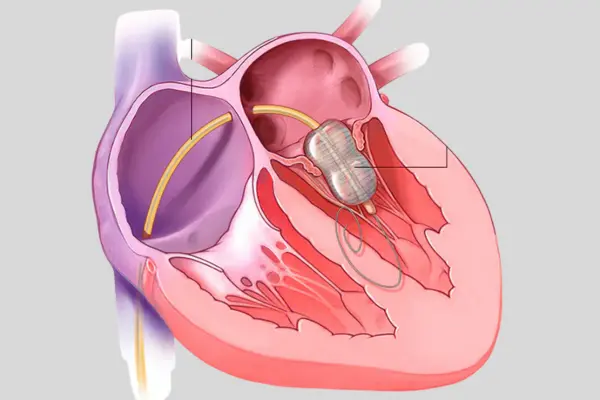
Balloon Valvuloplasty (also known as Balloon Valvotomy) is a non-surgical heart procedure used to widen a narrowed heart valve. A thin catheter with a small balloon at its tip is inserted through a blood vessel and guided to the narrowed valve. Once properly positioned, the balloon is inflated to separate the valve leaflets, allowing better blood flow.
The procedure is used for:
- Mitral Valve Stenosis
- Aortic Valve Stenosis (in select patients)
- Pulmonary Valve Stenosis
- Tricuspid Valve Stenosis
Balloon Valvuloplasty is effective when the valve is narrowed but not heavily calcified. It does not replace the valve; instead, it repairs and improves its natural function.
Time Taken for the Procedure
Balloon Valvuloplasty is efficient and minimally invasive.
The procedure
The procedure usually takes 45 minutes to 1.5 hours.
Recovery and observation
Recovery is quick, and most patients return to normal activities within 5 to 7 days.
Total hospital time
Most patients stay in the hospital for 24 hours, while children may stay slightly longer for observation.
Symptoms
Chest Discomfort
This may feel like pressure, squeezing, fullness, or pain in the center of your chest.
Shortness of Breath
Difficulty breathing, especially during physical activity or when lying flat, can indicate your heart isn't pumping efficiently.
Unexplained fatigue
Feeling unusually tired, particularly if simple activities leave you exhausted,
Heart attack symptoms
If you've experienced or are experiencing severe chest pain, pain radiating to your arm or jaw, sweating, nausea, or shortness of breath
Lightheadedness
If you frequently feel unsteady or close to fainting.
Unexplained Tiredness
If low energy affects your daily activities despite resting.
Heavy Heartbeats
If your heart suddenly races or beats forcefully without reason.
Stress-Triggered Discomfort
If anxiety or emotional strain brings on chest or heart-related sensations.
Benefits
Improves Valve Opening
Minimally Invasive & No Open Surgery
Immediate Symptom Relief
Suitable for Children & High-Risk Adults
Preparations
Proper preparation helps ensure your procedure goes smoothly and safely. Your healthcare team will provide specific instructions, but here are general guidelines to expect.
Before the Day of Your Procedure:
On the Day of Your Procedure:
What Does the Procedure Involve?
Balloon Valvuloplasty is performed inside a catheterization lab under imaging guidance.
Here’s how the procedure typically happens:
- The wrist or groin area is numbed with local anesthesia.
- A thin catheter is inserted into the blood vessel and guided toward the narrowed valve.
- Using echocardiography and fluoroscopy, the exact valve anatomy is assessed.
- A balloon-tipped catheter is positioned inside the narrowed valve opening.
- The balloon is inflated briefly to stretch the valve open and separate the valve leaflets.
- Once the valve has opened sufficiently, the balloon is deflated and removed.
- The catheter is taken out, and a pressure band or closure device is applied.
The procedure is painless and offers immediate improvement in blood flow.
What Follows the Procedure?
After Balloon Valvuloplasty, patients are moved to a recovery area.
First Week Recovery
- Avoid lifting heavy items or strenuous activities.
- Keep the wrist or groin site dry and clean.
- Mild bruising is normal and fades gradually.
- Take prescribed medicines and antibiotics if advised.
- Eat a soft, heart-healthy diet and stay hydrated.
- Resume light walking to improve circulation.
- Follow doctor’s instructions for returning to work or school.
Warning Signs to Watch For
Contact your doctor immediately if you notice:
- Severe chest pain
- Sudden shortness of breath
- Rapid or irregular heartbeat
- Fever, chills, or infection at the insertion site
- Persistent bleeding or swelling
- Dizziness or fainting
- Increased fatigue or new symptoms
Prompt attention helps prevent rare complications.
Frequently Asked Question (FAQs)
No. The procedure is performed under local anesthesia with mild sedation. Patients feel only slight pressure at the catheter insertion site. The valve opening process itself is painless.
The procedure typically takes 45 minutes to 1.5 hours. Afterward, patients are monitored for several hours and often stay in the hospital for 24 hours for observation.
A thin catheter with a small balloon is guided to the narrowed valve. Once in position, the balloon is inflated to stretch and open the valve leaflets. This improves blood flow and reduces pressure on the heart.
Yes. It is a safe and well-established treatment performed by experienced interventional cardiologists. The risk of complications is low, especially when the valve is suitable for this procedure.
Patients with moderate to severe valve stenosis who are experiencing symptoms such as breathlessness, reduced stamina, or swelling may qualify.