Smoking Cessation Programs
Quit smoking now and breathe easier for a healthier tomorrow
Smoking Cessation Programs
Overview
A Smoking Cessation Program is a structured, medically supervised plan designed to help individuals stop smoking safely and successfully. Whether you smoke cigarettes, bidis, cigars, e-cigarettes, or chew tobacco, quitting is one of the most impactful steps you can take to protect your heart, lungs, and overall well-being. Tobacco use harms almost every organ in the body and is a leading cause of heart disease, stroke, lung cancer, COPD, and premature death.
At Good Heart Clinic, our Smoking Cessation Program combines medical support, behavioral therapy, nicotine replacement therapy, and personalized lifestyle guidance. We help patients overcome cravings, manage withdrawal symptoms, modify habits, and rebuild a healthier life. The focus is not just on stopping smoking temporarily but ensuring long-term freedom from nicotine addiction.
Smoking Cessation in Pune
If you are looking for professional smoking cessation in Pune, Good Heart Clinic offers structured quit smoking programs designed to reduce your risk of heart disease, stroke, and other serious health complications.
Our medically supervised quit smoking program in Pune combines counselling, lifestyle modification, and evidence-based treatment to help you successfully stop tobacco use.
What is a Smoking Cessation Program?
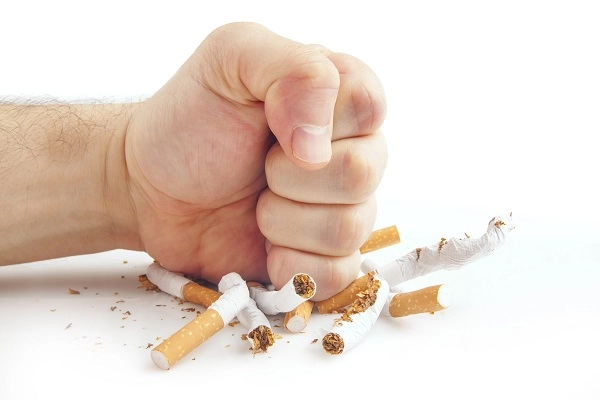
A Smoking Cessation Program is a comprehensive treatment plan that helps individuals quit smoking through:
- Medical assessment
- Nicotine replacement therapy (NRT)
- Behavioral counseling
- Stress management strategies
- Lifestyle modification
- Medication support
The program is scientifically designed to treat nicotine dependence—which is a medical addiction, not just a habit. It helps break the psychological, behavioral, and physical aspects of addiction in a safe and structured manner.
Why Quitting Smoking Is Important
Quitting smoking is the single most effective way to reduce the risk of:
- Heart attack
- Stroke
- Lung cancer
- Chronic obstructive pulmonary disease (COPD)
- High blood pressure
- High cholesterol
- Peripheral artery disease
- Heart failure
- Oral cancer
- Reduced immunity
The body begins healing within 20 minutes of quitting. Over months and years, the risk of heart disease and cancer drops significantly.
Symptoms
When Doctor Suggests a Smoking Cessation Program
Chronic Cough or Breathing Difficulty
Ongoing cough, wheezing, or breathlessness may indicate lung damage.
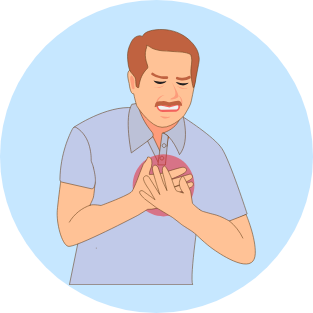
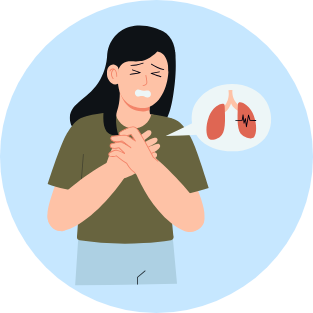
Chest Pain or Tightness
Smoking narrows arteries, making it harder for blood to reach the heart.
Frequent Fatigue
Less oxygen reaches the organs, resulting in constant tiredness.
Repeated Throat or Lung Infections
Smoking weakens immunity, making infections more common.
Difficulty Concentrating or Irritability
Nicotine withdrawal may cause restlessness, anxiety, or mood changes.
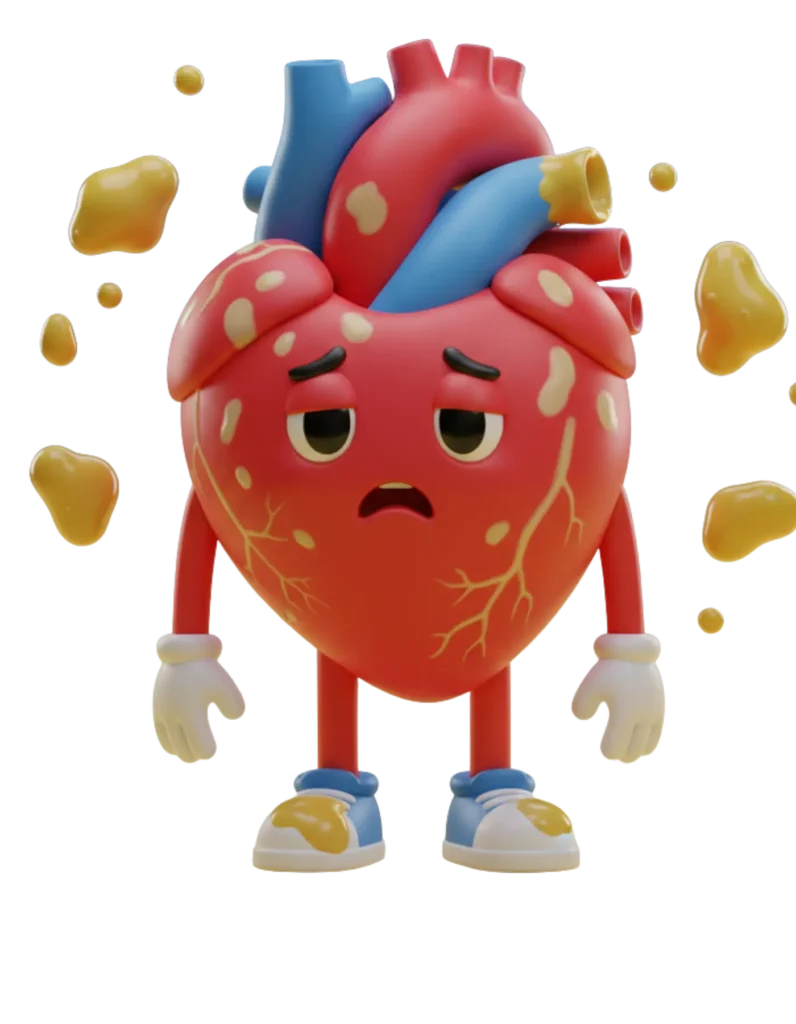
Common Conditions Caused by Smoking
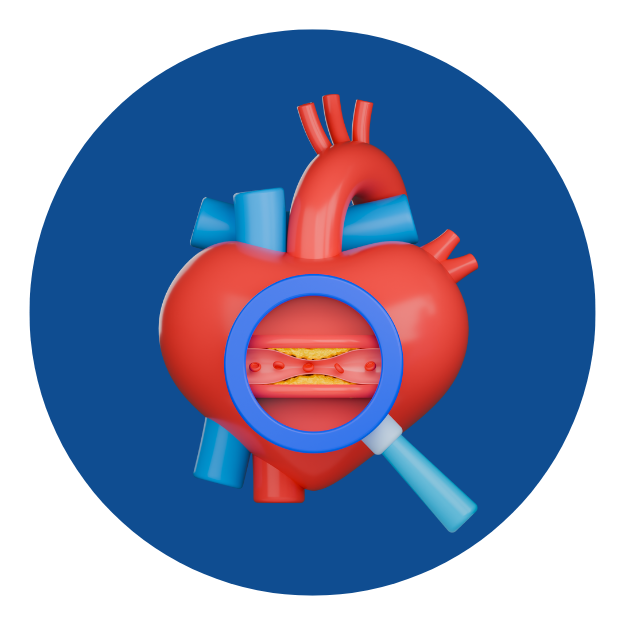
Heart & Blood Vessel Disease
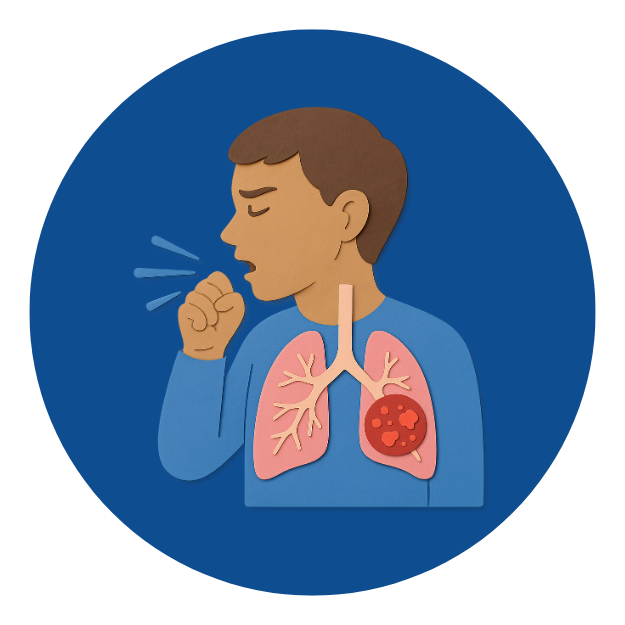
Lung Damage
Cancer
Reduced Immune Function
Diabetes & Metabolic Syndrome
Pregnancy Complications
How Smoking Affects the Heart
Smoking is one of the biggest risk factors for heart disease because it:
- Increases LDL (“bad cholesterol”)
- Lowers HDL (“good cholesterol”)
- Narrows arteries
- Raises blood pressure
- Increases blood clot formation
- Reduces oxygen supply
- Induces inflammation
This accelerates plaque buildup and increases the chances of sudden heart attack—even in young individuals.
Diagnosis & Tests
Treatment Options

Nicotine Replacement Therapy (NRT)
Medications
Lifestyle Modification
Behavioral Counseling
Medication & Nicotine Replacement Therapy
NRT provides controlled doses of nicotine to reduce withdrawal symptoms without exposing the body to harmful chemicals in cigarettes.
Benefits include:
- Lower cravings
- Reduced irritability
- Better focus
- Lower relapse rates
Medications may be added for patients with strong addiction or repeated quit failures.
Frequently Asked Question (FAQs)
Smoking damages blood vessels, raises LDL cholesterol, increases blood pressure, and reduces oxygen supply. This accelerates plaque formation and increases the risk of heart attack, stroke, and peripheral artery disease. Quitting smoking dramatically improves heart health.
Yes. Nicotine patches, gums, and lozenges provide controlled, small doses of nicotine without harmful chemicals found in cigarettes. They help reduce cravings safely and effectively.
Yes. Medications such as Varenicline and Bupropion reduce cravings, stabilize mood, and ease withdrawal symptoms. Your doctor will recommend the best option based on your addiction level and health condition.
Some people gain mild weight due to improved appetite.
Yes. Many patients notice improved breathing, reduced coughing, and better lung function within 2–6 weeks of quitting.