

Exercise & Rehabilitation Prescription
Personalized Exercise, Optimal Rehabilitation Results
Exercise & Rehabilitation Prescription
Overview
Exercise & Rehabilitation Prescription is a structured, personalized program created to help patients recover from heart diseases, improve strength, enhance mobility, and promote long-term cardiovascular health. Many patients feel weak, breathless, fatigued, or restricted after a heart event or major illness. A well-designed rehabilitation plan helps them regain confidence, restore physical capacity, and return to daily activities safely.
At Good Heart Clinic, Exercise & Rehabilitation Prescription is designed by experts who understand the unique needs of cardiac patients, elderly individuals, and those recovering from chronic illnesses. The aim is to improve heart function, strengthen muscles, regulate breathing, and support emotional well-being through a safe and monitored exercise plan. Each program is based on medical evaluation, functional capacity, and long-term health goals.
Cardiac Rehabilitation in Pune | Exercise & Heart Rehab Program
If you are looking for structured exercise and rehabilitation in Pune after a heart condition, Good Heart Clinic offers comprehensive cardiac rehabilitation in Pune designed to improve recovery and strengthen long-term heart health.
Our personalized rehabilitation programs help patients safely return to normal activities after heart attack, angioplasty, bypass surgery, or other cardiac conditions.
What Are Exercise & Rehabilitation Prescription?

Exercise & Rehabilitation Prescription is a medically supervised program that includes customized exercises, lifestyle recommendations, and progress tracking tailored to a patient’s health condition. It focuses on:
- Improving cardiovascular health
- Enhancing mobility and stamina
- Reducing breathlessness
- Strengthening muscles
- Preventing future cardiac events
- Supporting long-term recovery
This is not a general workout routine. It is a scientifically developed rehabilitation program created by cardiologists and physiotherapists to ensure safe and effective recovery.
Who Needs Rehabilitation?
Exercise & Rehabilitation Prescription is recommended for individuals with:
- Heart attack recovery
- Post-angioplasty or post-bypass surgery recovery
- Heart failure
- Valvular heart disease
- Obesity or sedentary lifestyle
- Weakness due to aging
- High cholesterol or metabolic problems
- Diabetes-related fatigue
- Poor stamina or physical conditioning
- Anxiety or stress-related physical symptoms
Rehabilitation helps restore strength and supports long-term heart protection.
Symptoms
When Doctor Suggests Exercise & Rehabilitation Prescription
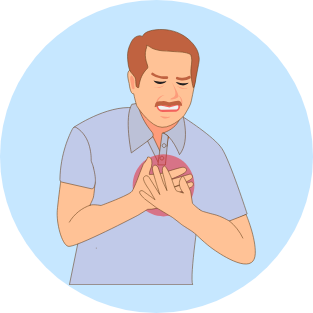
Chest Pain or Pressure
Narrowed arteries reduce blood flow to the heart, leading to discomfort especially during activity.
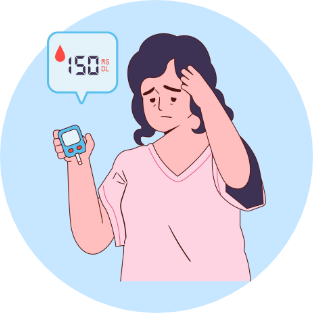
Frequent Fatigue
Poor circulation due to plaque buildup can reduce oxygen supply to muscles and organs.
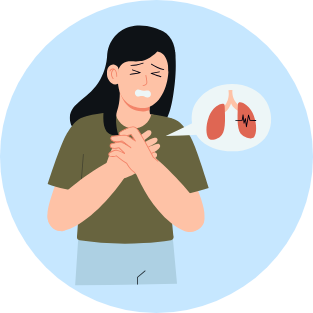
Shortness of Breath
Blockages in coronary arteries may limit heart function, causing difficulty breathing.

Leg Pain or Cramps
Reduced blood flow to legs (peripheral artery disease) may cause calf pain while walking.
Yellowish Deposits on Skin (Xanthomas)
Visible cholesterol deposits around the eyes or joints may indicate severe lipid disorders.
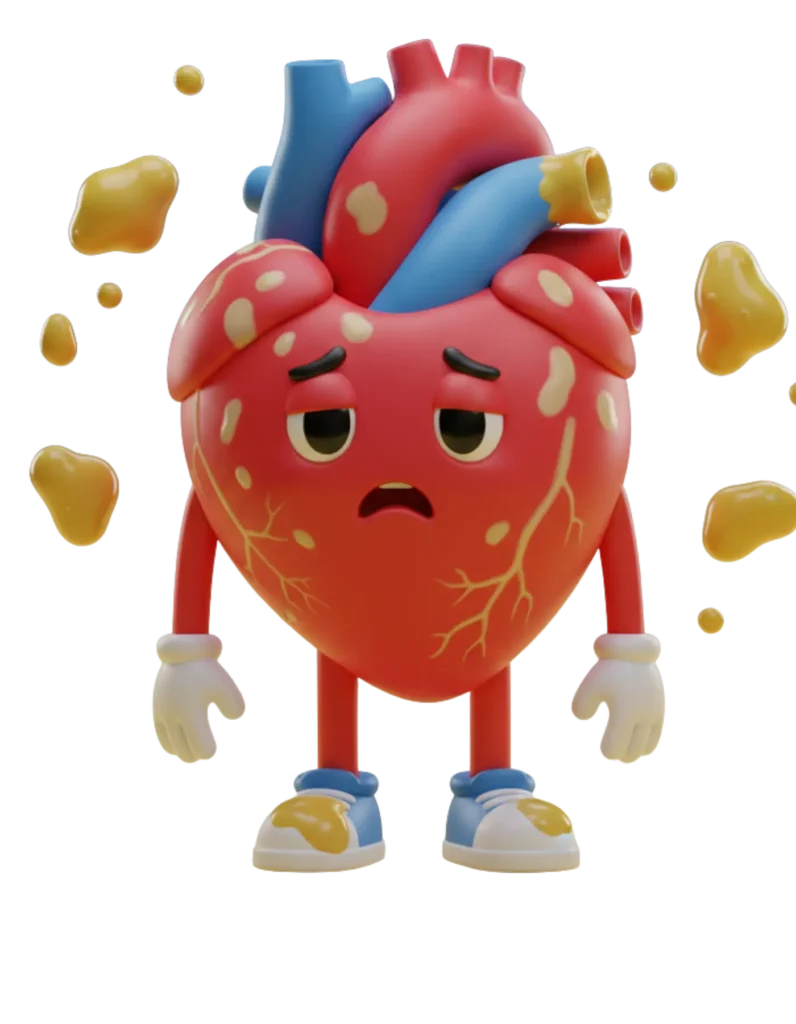
Importance of Exercise & Rehabilitation
Reduces risk of repeat heart attacks or strokes

Improves blood circulation and oxygen efficiency
Increases muscle strength and endurance

Enhances balance and prevents falls
Improves lung capacity and breathing patterns
Reduces stress, anxiety, and depression
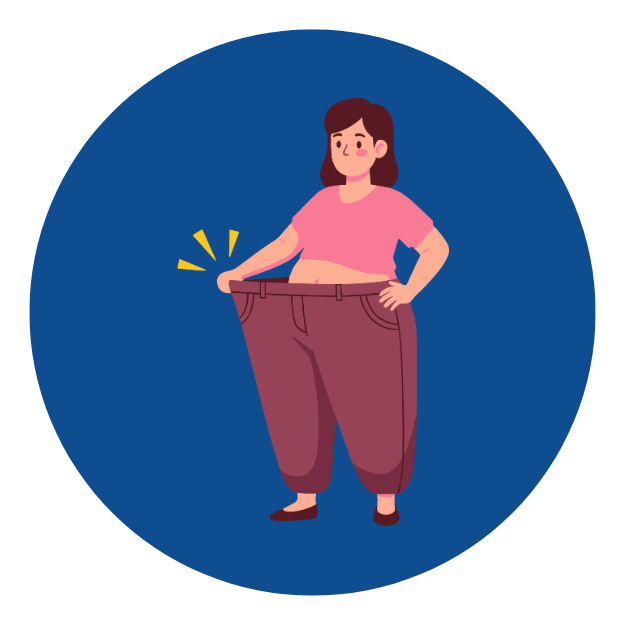
Supports healthy weight loss
Supports healthy weight loss
Diagnosis & Tests
Treatment Options

Aerobic Conditioning
Strength Training
Flexibility Exercises
Breathing Exercises
Heart Rate–Based Target Training
Stress & Anxiety Management
Types of Exercises Included
Your prescription may include:
- Brisk walking or treadmill walking
- Stationary cycling
- Light jogging (if permitted)
- Resistance band exercises
- Dumbbell training
- Core strengthening exercises
- Shoulder and knee mobility exercises
- Yoga-based stretches
- Deep-breathing and lung expansion exercises
- Functional training (sit-to-stand, step-ups, balance drills)
All exercises are customized to your age, fitness level, and medical condition.
Frequently Asked Question (FAQs)
No. The angiography procedure is not painful. Only a small amount of local anesthesia is used at the wrist or groin, so you may feel slight pressure but no discomfort. Most patients describe it as a quick and comfortable heart test.
High cholesterol can be effectively controlled, but long-term management is essential. With proper diet, regular activity, and medication when needed, most patients achieve normal levels and significantly lower the risk of heart disease.
Yes. Chronic stress raises cortisol levels, which can increase LDL (bad cholesterol) and triglycerides. Stress can also lead to unhealthy eating and reduced exercise, worsening lipid levels over time. Managing stress is an essential part of cholesterol control.
Absolutely. Hypothyroidism (underactive thyroid) slows down metabolism and can significantly raise LDL and triglycerides. Treating thyroid imbalance often improves cholesterol levels as well.
Yes. Excessive alcohol consumption raises triglycerides and contributes to fatty liver disease. Moderate or no alcohol is recommended for healthy lipid levels.