

Holter Monitor & Event Recorder
Real-time cardiac rhythm recording for early heart issue detection
Holter Monitoring
Overview
Holter Monitoring is a continuous electrocardiogram (ECG) recording that tracks every heartbeat for 24 to 48 hours while you go about your normal daily activities. Unlike a standard ECG that captures just a few seconds of heart rhythm, a Holter monitor records your heart’s electrical activity continuously, documenting any irregular rhythms, palpitations, or other cardiac events that may occur intermittently throughout the day and night.
At Good Heart Clinic, we use advanced Holter monitoring technology to diagnose arrhythmias, evaluate symptoms like palpitations or dizziness, and assess the effectiveness of heart rhythm treatments. This painless, non-invasive test provides comprehensive data that helps your cardiologist identify heart rhythm problems that might be missed during a brief office visit.
Holter Monitoring in Pune
If you are looking for reliable Holter monitoring in Pune, Good Heart Clinic offers advanced 24-hour ECG recording to detect irregular heart rhythms that may not appear during a routine ECG test.
A 24-hour Holter test in Pune continuously records your heart’s electrical activity while you go about your daily routine, providing a complete evaluation of heart rhythm patterns.
What is a Holter Monitor ?
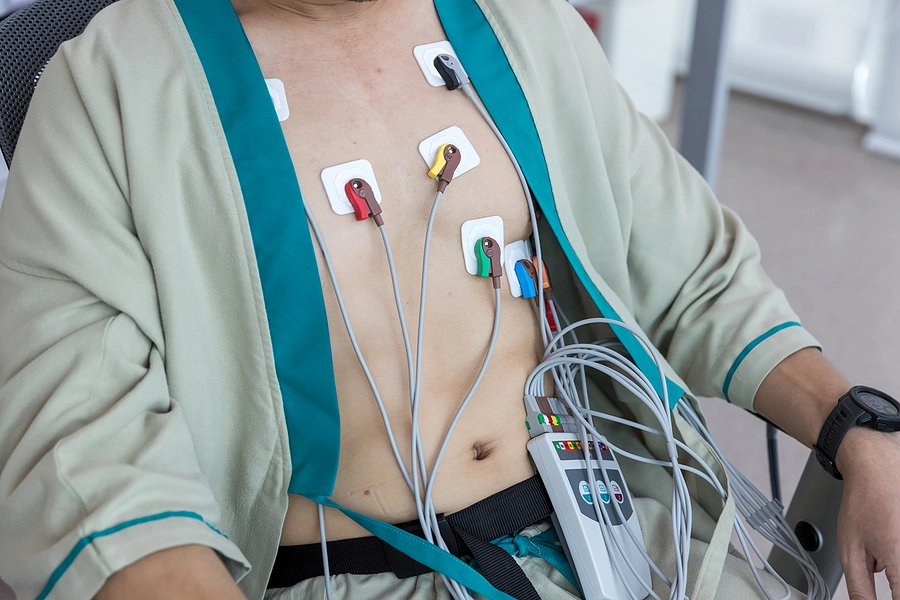
Holter Monitoring is a portable, continuous ECG recording system that tracks the electrical activity of your heart over an extended period. A small, wearable device—about the size of a mobile phone—is connected to electrodes placed on your chest. The device records every heartbeat throughout your routine activities.
While an ECG shows your heart rhythm at a single point in time, Holter Monitoring captures heart activity minute-by-minute, allowing cardiologists to detect problems that come and go unpredictably.
Holter Monitoring helps diagnose:
- Arrhythmias (irregular heartbeats)
- Tachycardia (fast heart rate)
- Bradycardia (slow heart rate)
- Atrial fibrillation
- Pause episodes in heart rhythm
Types of Holter Monitoring
Depending on symptoms and diagnostic requirements, cardiologists recommend different types of Holter monitoring:
24-Hour Holter Monitoring
The most commonly used test, ideal for evaluating frequent symptoms like palpitations, dizziness, or breathlessness.
48-Hour Holter Monitoring
Recommended when symptoms occur less frequently or when a more detailed rhythm analysis is required.
Event Monitor (7-30 Days)
Portable recorder worn for extended periods (weeks), activated when symptoms occur.
Mobile Cardiac Telemetry (MCT)
Advanced monitoring with real-time transmission of concerning rhythms to monitoring center.
Symptoms
Frequent Palpitations
Irregular, rapid, or skipped heartbeats occurring during daily activities.
Dizziness / Blackouts
Sudden light-headedness or fainting episodes linked to rhythm issues.
Chest Pain / Tightness
Non-painful pressure or discomfort that may indicate hidden ischemia.
Shortness of Breath
Breathlessness not linked to exertion or respiratory problems.
Fatigue / Weakness
Unusual tiredness potentially caused by abnormal heart rhythms.
Irregular Heart Rate
Further monitoring required to identify severity and pattern.
Monitoring Medication
To evaluate whether treatment or device therapy is controlling arrhythmias effectively.
Stress-Triggered Discomfort
If anxiety or emotional strain brings on chest or heart-related sensations.
Benefits
Detects Intermittent Arrhythmias
Symptom-Rhythm Correlation
Evaluates Treatment & Medication Effectiveness
Safe, Non-Invasive & Convenient
Preparations
Wear Comfortable, Loose Clothing
Skin Preparation
What NOT to Do
Procedure
Returning the Device
After 24, 48, or more hours, the device is removed and handed back at the clinic.
Data Download & Rhythm Analysis
Specialized cardiology software analyzes thousands of heartbeats recorded during the monitoring period.
Correlation With Symptoms
Your symptom diary helps match sensations like palpitations or dizziness with heart rhythm data.
Detailed Report by Our Expert Cardiologist
The final report includes:
- Heart rate variations
- Arrhythmias detected
- Pause episodes
- Any abnormal rhythm patterns
- Impact of activities
- Clues of ischemia, if any
Treatment Planning
Depending on the report, your doctor may recommend:
- Medication adjustments
- Lifestyle changes
- Additional tests like Stress Test, Echocardiography, ABPM
- Pacemaker evaluation
- Procedure-based interventions if required
Holter Monitoring thus acts as a bridge between symptoms and accurate treatment decisions.
Frequently Asked Question (FAQs)
A regular ECG captures your heart rhythm for a few seconds, while a Holter Monitor tracks your heartbeats for 24–48 hours, giving a much clearer picture of intermittent arrhythmias, silent ischemia, or heart rate fluctuations during daily activities.
You may need Holter Monitoring if you experience frequent palpitations, skipped beats, fainting episodes, shortness of breath, unexplained fatigue, or fluctuations in heart rate. It helps diagnose rhythm-related disorders that short ECGs may miss.
No. Holter Monitoring is completely painless and non-invasive. Small electrodes are attached to your chest and connected to a portable device. You can continue normal activities except bathing or swimming during the test.
Yes, you must. The device is designed for continuous 24-hour monitoring, and sleep-time recordings help identify nocturnal arrhythmias, sleep-related heart rate changes, or apnea-related disturbances.
Holter tests detect atrial fibrillation, tachycardia, bradycardia, PVCs, SVT, heart block, ischemic changes, and rhythm disturbances caused by stress, medications, or physical activity.