

Diabetes & Heart Disease Counselling
Empowering you to manage diabetes and protect long-term heart health
Diabetes and Heart Disease Counselling
Overview
Diabetes & Heart Disease Counselling is a structured, medically supervised program designed to help patients control blood sugar levels, reduce cardiovascular risks, and lead a healthier, longer life. Diabetes significantly increases the chances of developing heart problems because high blood sugar damages blood vessels, accelerates plaque buildup, and strains the heart over time. This combination—known as diabetic heart disease—can lead to heart attacks, heart failure, stroke, or severe blockages.
Diabetes and Heart Disease Counselling in Pune
Our program provides personalized counselling that combines medical guidance, nutrition planning, exercise recommendations, lifestyle modification, and emotional support. The goal is simple: help you understand your condition, prevent complications, and protect your heart through guided, proactive care.
If you are living with diabetes or are at risk of heart disease, early intervention is crucial. At Good Heart Clinic, we provide comprehensive diabetes and heart disease counselling in Pune, helping patients understand their cardiovascular risk and take proactive steps toward long-term heart health.Diabetes significantly increases the risk of heart attack, stroke, and other cardiovascular complications. Our specialized counselling focuses on prevention, lifestyle modification, and personalized treatment strategies.
What is a Diabetes & Heart Disease Counselling?
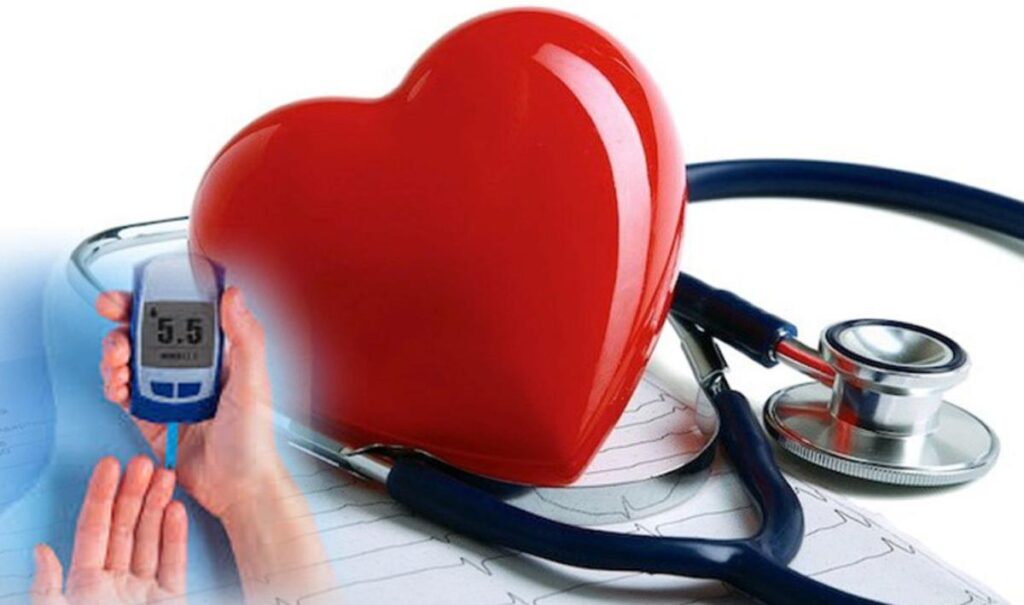
Diabetes & Heart Disease Counselling is a specialized service where medical experts guide you on how to manage diabetes while reducing its damaging effects on the heart. It includes:
- Understanding your risks
- Creating heart-friendly nutrition plans
- Personalized diabetes medication review
- Monitoring blood sugar patterns
- Lifestyle and exercise planning
- Foot care and nerve health guidance
- Weight and stress management
- Preventing heart attacks and strokes
This program empowers patients to take control of their health through safe, sustainable, and medically supported strategies.
How Diabetes Affects Your Heart
Long-standing diabetes damages almost every organ, but the heart is one of the most vulnerable. High blood sugar causes:
- Damage to blood vessel walls
- High LDL cholesterol and triglycerides
- Reduced HDL (“good” cholesterol)
- Faster plaque buildup inside arteries
- Increased blood pressure
- Reduced oxygen supply to heart muscles
Over time, this combination leads to:
- Coronary artery disease
- Heart attack
- Stroke
- Heart failure
- Peripheral artery disease
Early counselling helps prevent these complications and maintains long-term cardiovascular health.
Conditions Managed in Diabetes–Heart Counselling
Symptoms
When Doctor Suggests Diabetes & Heart Disease Counselling 1. Persistent Fatigue
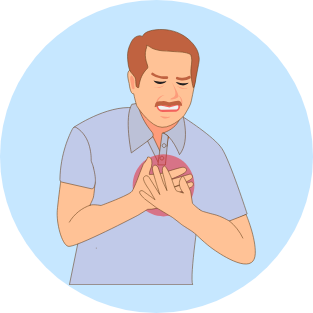
Chronic Cough or Breathing Difficulty
Ongoing cough, wheezing, or breathlessness may indicate lung damage.
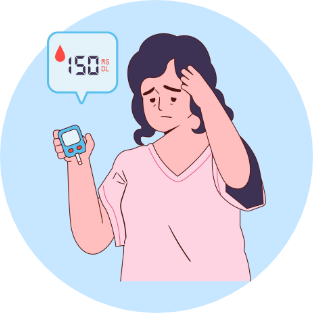
Chest Pain or Tightness
Smoking narrows arteries, making it harder for blood to reach the heart.
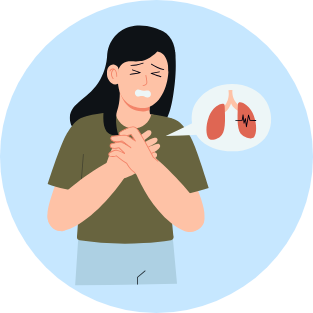
Frequent Fatigue
Less oxygen reaches the organs, resulting in constant tiredness.

Repeated Throat or Lung Infections
Smoking weakens immunity, making infections more common.
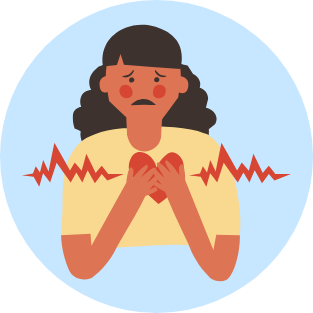
Difficulty Concentrating or Irritability
Nicotine withdrawal may cause restlessness, anxiety, or mood changes.

Common Conditions Caused by Smoking
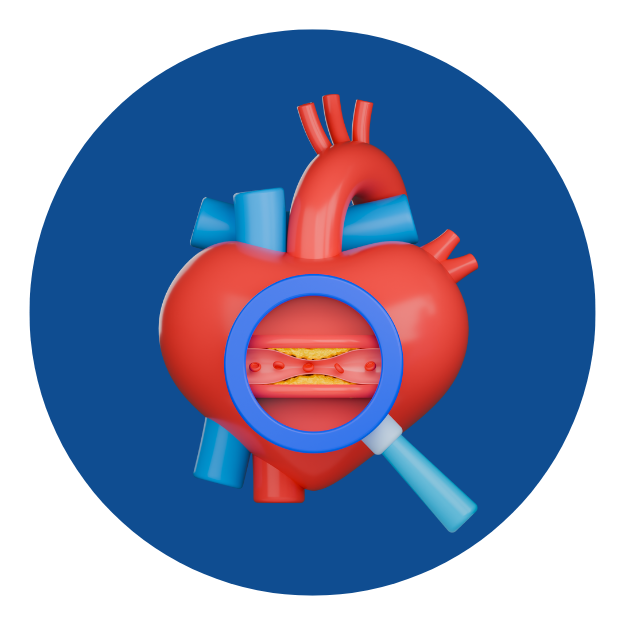
Heart & Blood Vessel Disease
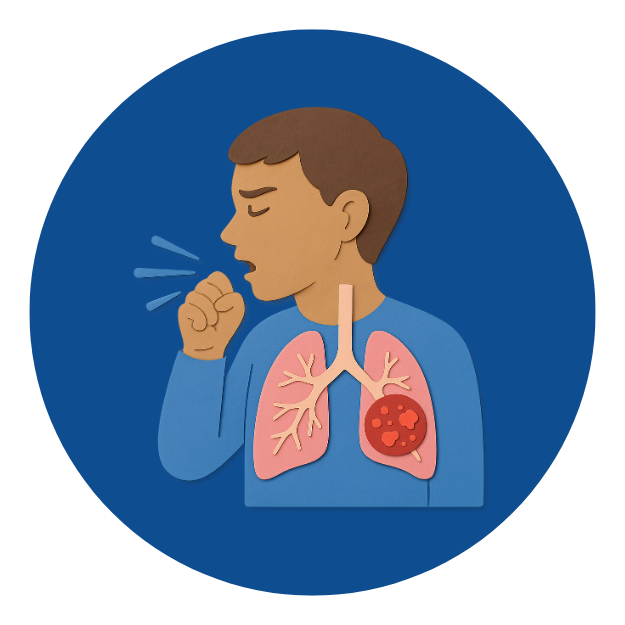
Lung Damage

Cancer

Reduced Immune Function
Diabetes & Metabolic Syndrome

Pregnancy Complications
Assessment & Diagnosis
Treatment Options

Nutrition & Diet Planning
Exercise Guidance
Medication Review & Guidance
Weight Management Support
Lifestyle Recommendations for Better Diabetes & Heart Control
- Avoid refined carbohydrates and sugary foods
- Reduce salt intake
- Drink adequate water
- Choose whole-grain foods
- Avoid smoking and alcohol
- Sleep 7–8 hours every night
- Manage stress effectively
- Avoid long sitting hours
- Maintain a healthy waistline
These habits support long-term heart and sugar control.
Frequently Asked Question (FAQs)
Yes. Good blood sugar control significantly reduces plaque formation, lowers inflammation, and protects arteries. Keeping HbA1c below 6.5–7%, along with healthy lifestyle habits, greatly lowers the chance of cardiac events.
Not necessarily. Insulin is only recommended when medicines alone cannot control blood sugar. Many patients manage well with diet, lifestyle changes, and oral medications.
Yes. Stress increases cortisol levels, causing high blood sugar, high BP, and inflammation, all of which increase heart disease risk. Stress management is included in counselling.
Most patients do. Counselling includes nutrition correction, exercise plans, and lifestyle changes that naturally reduce weight—especially harmful belly fat.