

Cardiac CT Scan
Advanced Non-Invasive Heart Imaging at Good Heart Clinic
Cardiac CT scan (Calcium Score & Coronary CTA)
Overview
A Cardiac CT Scan (Computed Tomography) is a sophisticated, non-invasive imaging test that uses advanced X-ray technology to create detailed, three-dimensional pictures of your heart and coronary arteries. This powerful diagnostic tool allows your cardiologist to visualize the structure of your heart, detect calcium buildup in arteries, identify blockages, and assess various cardiac conditions—all without inserting catheters or performing invasive procedures.
We utilize state-of-the-art cardiac CT technology to provide comprehensive heart evaluation including coronary calcium scoring, CT angiography for detailed artery visualization, and structural heart assessment. Whether you’re experiencing symptoms, have risk factors for heart disease, or need evaluation before cardiac procedures, cardiac CT provides exceptionally detailed images that guide accurate diagnosis and treatment planning with minimal risk and discomfort.
Cardiac CT Scan in Pune
If you are looking for an advanced cardiac CT scan in Pune, Good Heart Clinic offers precise cardiac imaging to detect coronary artery disease and assess heart health at an early stage.A heart CT scan in Pune helps identify blockages, plaque buildup, and calcium deposits in coronary arteries, enabling timely preventive treatment.
What is a Cardiac CT Scan?
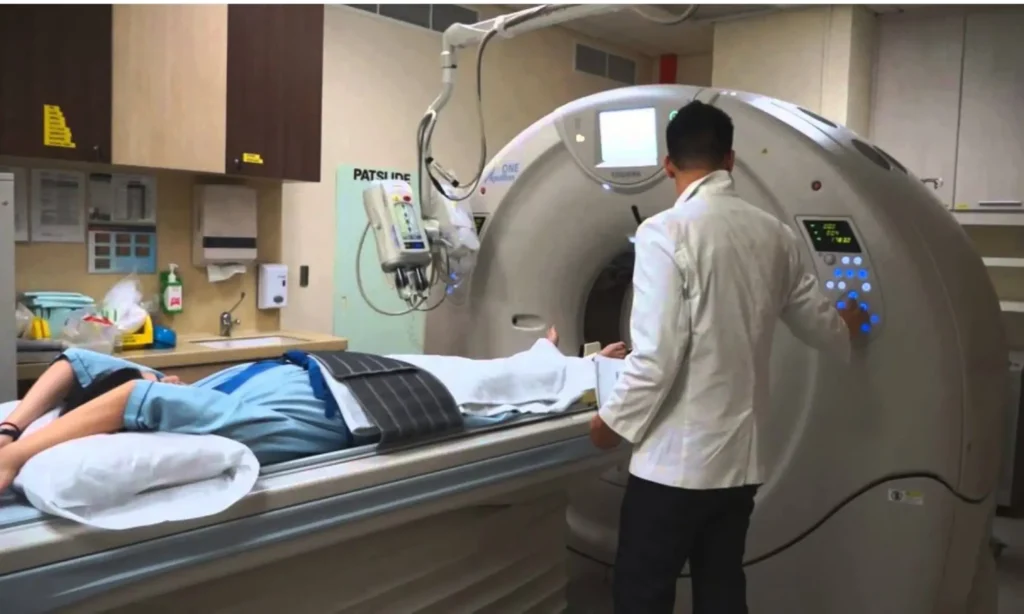
A Cardiac CT Scan (Computed Tomography) is a sophisticated, non-invasive imaging test that uses advanced X-ray technology to create detailed, three-dimensional pictures of your heart and coronary arteries.
This powerful diagnostic tool allows your cardiologist to visualize the structure of your heart, detect calcium buildup in arteries, identify blockages, and assess various cardiac conditions—all without inserting catheters or performing invasive procedures.
At Good Heart Clinic, we utilize state-of-the-art cardiac CT technology to provide comprehensive heart evaluation including coronary calcium scoring, CT angiography for detailed artery visualization, and structural heart assessment.
Whether you’re experiencing symptoms, have risk factors for heart disease, or need evaluation before cardiac procedures, cardiac CT provides exceptionally detailed images that guide accurate diagnosis and treatment planning with minimal risk and discomfort.
Types of Cardiac CT Scan
Coronary CT Angiography (CTA)
A highly detailed scan using contrast dye to visualize coronary arteries. Helps detect narrowing, blockages, or plaque buildup.
Coronary Calcium Scoring CT
Measures the amount of calcium in heart arteries. Helps assess the risk of future heart attack or coronary artery disease.
CT for Congenital Heart Disease
Captures structural abnormalities in children and adults with congenital heart issues.
CT for Aortic Diseases
Identifies aneurysms, aortic dissections, or dilation of the aorta.
Symptoms
Chest Discomfort
If you feel tightness or pressure in your chest during activity.
Shortness of Breath
If normal walking or mild exercise leaves you breathless.
High Blood Pressure
If your BP fluctuates or remains higher than usual.
Irregular Heartbeats
If you notice skipped beats, fluttering, or unusual heart rhythm.
Lightheadedness
If you frequently feel unsteady or close to fainting.
Unexplained Tiredness
If low energy affects your daily activities despite resting.
Heavy Heartbeats
If your heart suddenly races or beats forcefully without reason.
Stress-Triggered Discomfort
If anxiety or emotional strain brings on chest or heart-related sensations.
Benefits
Non-Invasive Coronary Visualization
Fast, Efficient & Quick Diagnosis
Comprehensive Assessment
Pre-Procedural Planning
Preparations
Fasting Requirements:
For CT Angiography (with contrast):
For Calcium Score (no contrast):
Comfortable Clothing:
- Loose, comfortable clothes without metal
- Remove all metal from chest and abdomen area
- Necklaces, chains
- Belts with metal buckles
- Clothing with metal zippers, snaps, buttons near chest
What NOT to Do
Procedure
1. Pre-Scan Setup
You will lie on the CT table. ECG leads may be attached to track your heartbeat. Your heart rate is monitored to ensure optimal clarity of images.
2. Contrast Dye Administration (If Required)
For CT angiography, a contrast dye is injected through a vein. This helps highlight blood vessels and arteries clearly.
3. Scanning Phase
The table moves into the CT scanner. You will be asked to:
- Hold your breath for 5–10 seconds
- Stay completely still
- Follow instructions during scanning
4. Radiation Safety Measures
Modern CT scanners use low radiation doses while offering high-quality imaging.
5. Test Duration
The entire process takes 10–15 minutes, and scanning time is less than a minute.
Frequently Asked Question (FAQs)
Yes. A Coronary CT Angiography (CTA) is one of the most accurate tests for detecting coronary artery disease (CAD). It provides high-resolution images using controlled radiation, making it a safe and reliable diagnostic tool for early heart risk assessment.
A CT Coronary Angiogram is non-invasive, involves no catheter insertion, and is completed within minutes. In comparison, traditional angiography is minimally invasive and used when a doctor plans a stent or intervention. CT scan is used primarily for diagnosis and screening of heart blockages.
Doctors recommend this test when patients experience chest pain, breathlessness, fatigue, irregular heartbeat, family history of heart disease, high cholesterol, hypertension, or symptoms that indicate possible coronary artery narrowing or heart structural issues.
Yes, especially for individuals with high cholesterol, diabetes, hypertension, obesity, family history of heart disease, or those above 40. It is an excellent tool for preventive cardiac risk assessment.
Those with risk factors like diabetes, hypertension, high cholesterol, obesity, smoking habits, or family history of heart disease should undergo a TMT based on their cardiologist’s recommendation—usually annually or every 1–2 years.