
Cholesterol & Lipid Management
Manage cholesterol wisely to support long-term heart and health
Cholesterol & Lipid Management
Overview
Cholesterol & Lipid Management focuses on diagnosing, preventing, and treating disorders related to high cholesterol and abnormal fat levels in the blood. When cholesterol and triglyceride levels rise beyond the healthy range, fatty deposits begin to build up inside blood vessels. Over time, these deposits narrow the arteries, increasing the risk of heart disease, stroke, and other serious health complications.
At Good Heart Clinic, cholesterol and lipid management is designed to provide a complete, personalized approach to heart health. Through detailed evaluation, lifestyle counseling, medical therapy, and continuous monitoring, patients receive structured care aimed at reducing cardiovascular risk and improving long-term wellness. The goal is not only to lower cholesterol levels but also to protect the heart, prevent blockages, and support a healthier lifestyle.
Cholesterol & Lipid Management in Pune
If you are searching for expert cholesterol management in Pune, Good Heart Clinic provides comprehensive evaluation and personalized treatment plans to help you maintain healthy cholesterol levels and reduce your risk of heart disease. Our specialized lipid management in Pune focuses on prevention, early detection, and long-term heart health.
What Are Cholesterol & Lipids?
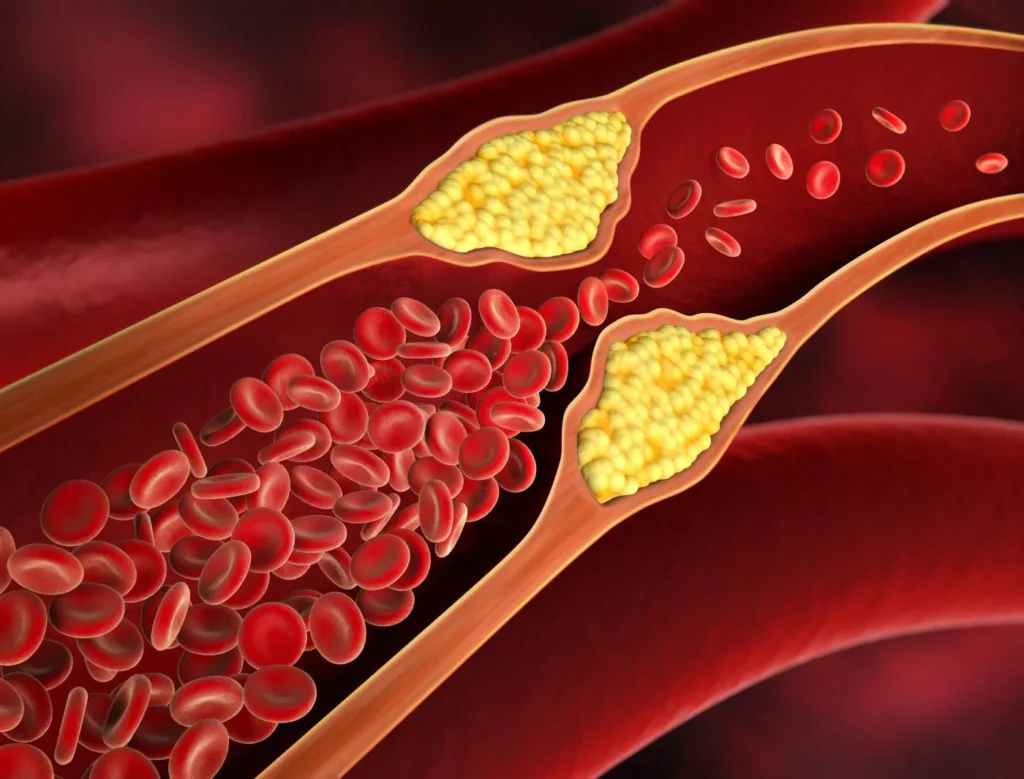
Cholesterol and lipids are essential types of fats found in the blood. The body needs them for hormone production, cell function, vitamin synthesis, and digestion. However, when their levels rise, they start accumulating inside the arteries, making blood flow difficult.
The major types of lipids include:
1. LDL (Low-Density Lipoprotein) – “Bad” Cholesterol
LDL carries cholesterol into the arteries. When it is present in excess, it causes plaque buildup, increasing the risk of heart attacks and stroke.
2. HDL (High-Density Lipoprotein) – “Good” Cholesterol
HDL removes excess cholesterol from the bloodstream and transports it to the liver for disposal. Higher HDL levels are protective for the heart.
3. Triglycerides
Triglycerides store excess calories as fat. High levels often signal poor dietary habits, obesity, alcoholism, or metabolic conditions like diabetes.
4. Total Cholesterol
A combined measurement of LDL, HDL, and triglyceride levels, used to assess overall cardiovascular health.
Types of Lipid Disorders
Lipid disorders occur when cholesterol or triglycerides rise above the healthy range. They may be caused by genetics, lifestyle, or underlying medical conditions.
Hypercholesterolemia
Excess LDL (“bad”) cholesterol leading to blocked arteries.
Hypertriglyceridemia
High triglycerides resulting from unhealthy eating, alcohol intake, or uncontrolled diabetes.
Mixed Dyslipidemia
Both LDL and triglycerides are elevated with low HDL levels, increasing heart risk significantly.
Familial Hypercholesterolemia
A genetic condition causing extremely high cholesterol levels from a young age, requiring early medical care.
Low HDL Levels
Insufficient “good” cholesterol, often linked to smoking, obesity, or lack of activity.
Causes of High Cholesterol
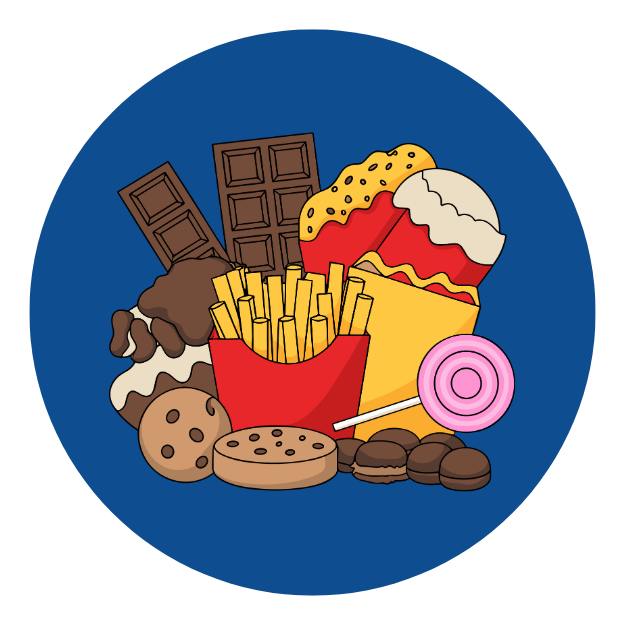
Unhealthy diet rich in fried foods, red meat &snacks
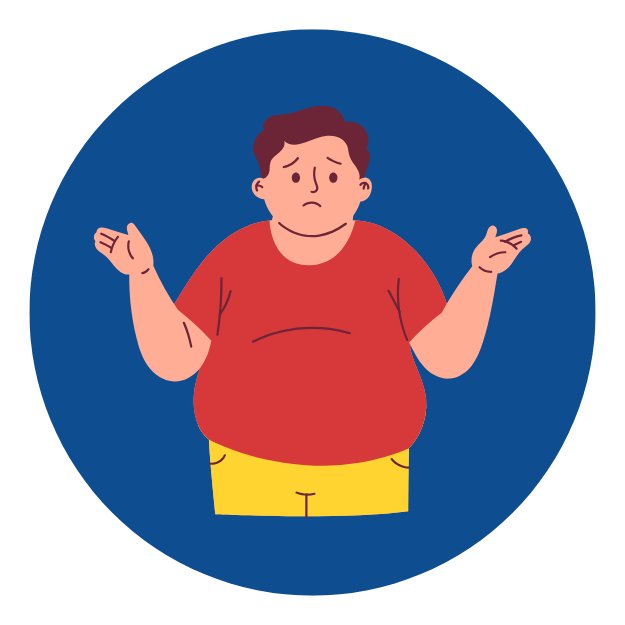
Obesity and physical inactivity

Diabetes, thyroid disorders, or kidney disease

Family history of high cholesterol
Stress and Poor Sleep
Certain medications
Age-related changes in metabolism
Symptoms
When Doctor Suggests Cholesterol & Lipid Management
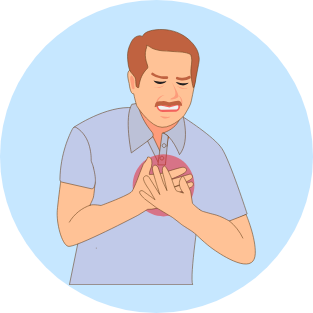
Chest Pain or Pressure
Narrowed arteries reduce blood flow to the heart, leading to discomfort especially during activity.
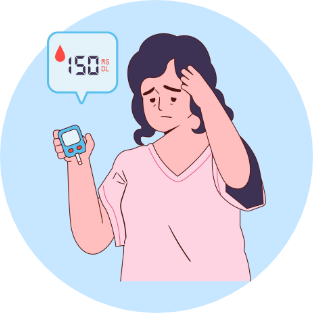
Frequent Fatigue
Poor circulation due to plaque buildup can reduce oxygen supply to muscles and organs.
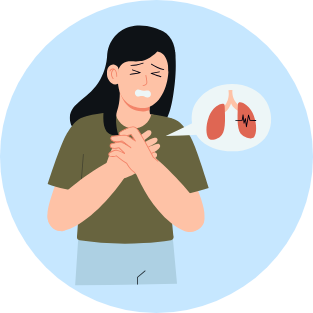
Shortness of Breath
Blockages in coronary arteries may limit heart function, causing difficulty breathing.

Leg Pain or Cramps
Reduced blood flow to legs (peripheral artery disease) may cause calf pain while walking.
Yellowish Deposits on Skin (Xanthomas)
Visible cholesterol deposits around the eyes or joints may indicate severe lipid disorders.
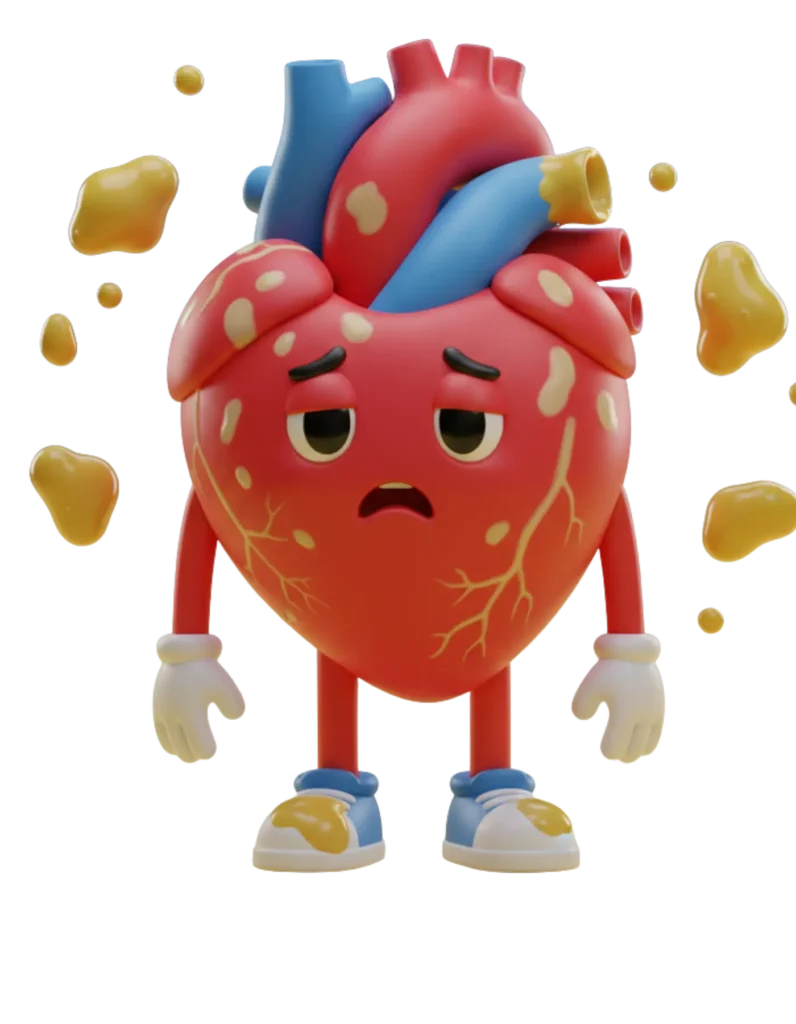
Why Cholesterol Control Is Important
Uncontrolled cholesterol gradually damages blood vessels and increases the risk of:
- Heart attack
- Stroke
- Peripheral artery disease
- Coronary artery blockage
- High blood pressure
- Heart failure
- Pancreatitis (in very high triglycerides)
Managing cholesterol early prevents life-threatening complications.
Diagnosis & Tests
Treatment Options

Diet & Nutrition Therapy
Exercise & Physical Activity
Medications
Health Management
Lifestyle Changes to Support Cholesterol Control
- Eat fresh, homemade meals
- Avoid junk food, packaged snacks, and sugary drinks
- Sleep 7–8 hours every night
- Maintain a healthy waist-to-hip ratio
- Stay hydrated
- Reduce salt intake
- Monitor blood pressure and sugar levels
Small lifestyle changes create significant long-term benefits.
Frequently Asked Question (FAQs)
No. The angiography procedure is not painful. Only a small amount of local anesthesia is used at the wrist or groin, so you may feel slight pressure but no discomfort. Most patients describe it as a quick and comfortable heart test.
High cholesterol can be effectively controlled, but long-term management is essential. With proper diet, regular activity, and medication when needed, most patients achieve normal levels and significantly lower the risk of heart disease.
Yes. Chronic stress raises cortisol levels, which can increase LDL (bad cholesterol) and triglycerides. Stress can also lead to unhealthy eating and reduced exercise, worsening lipid levels over time. Managing stress is an essential part of cholesterol control.
Absolutely. Hypothyroidism (underactive thyroid) slows down metabolism and can significantly raise LDL and triglycerides. Treating thyroid imbalance often improves cholesterol levels as well.
Yes. Excessive alcohol consumption raises triglycerides and contributes to fatty liver disease. Moderate or no alcohol is recommended for healthy lipid levels.