

Heart Rhythm Ablation Procedure
Targeted Treatment for Lasting Rhythm Control
Heart Rhythm Ablation Procedure
Overview
Heart Rhythm Ablation is a minimally invasive cardiac procedure used to treat abnormal heartbeats (arrhythmias). When the heart’s electrical system becomes faulty, it may beat too fast, too slow, or irregularly, causing symptoms like palpitations, dizziness, chest discomfort, or even fainting. Over time, untreated arrhythmias can lead to complications such as stroke, heart failure, or sudden cardiac arrest.
Heart Rhythm Ablation offers a long-term solution by targeting and correcting the specific area in the heart that triggers abnormal electrical signals. At Good Heart Clinic, the procedure is performed by expert electrophysiologists using advanced catheter-based techniques. The goal is to restore a normal heart rhythm, reduce symptoms, and improve overall quality of life.
This treatment is highly effective for conditions such as atrial fibrillation, supraventricular tachycardia (SVT), atrial flutter, ventricular tachycardia, and other rhythm disorders.
Heart Rhythm Ablation Procedure in Pune
If you are looking for an advanced heart rhythm ablation procedure in Pune, Good Heart Clinic provides expert evaluation and treatment for patients with abnormal heart rhythms (arrhythmias).
Cardiac ablation in Pune is a minimally invasive procedure used to correct irregular heartbeats by targeting and eliminating abnormal electrical pathways in the heart.
What is a Heart Rhythm Ablation Procedure?
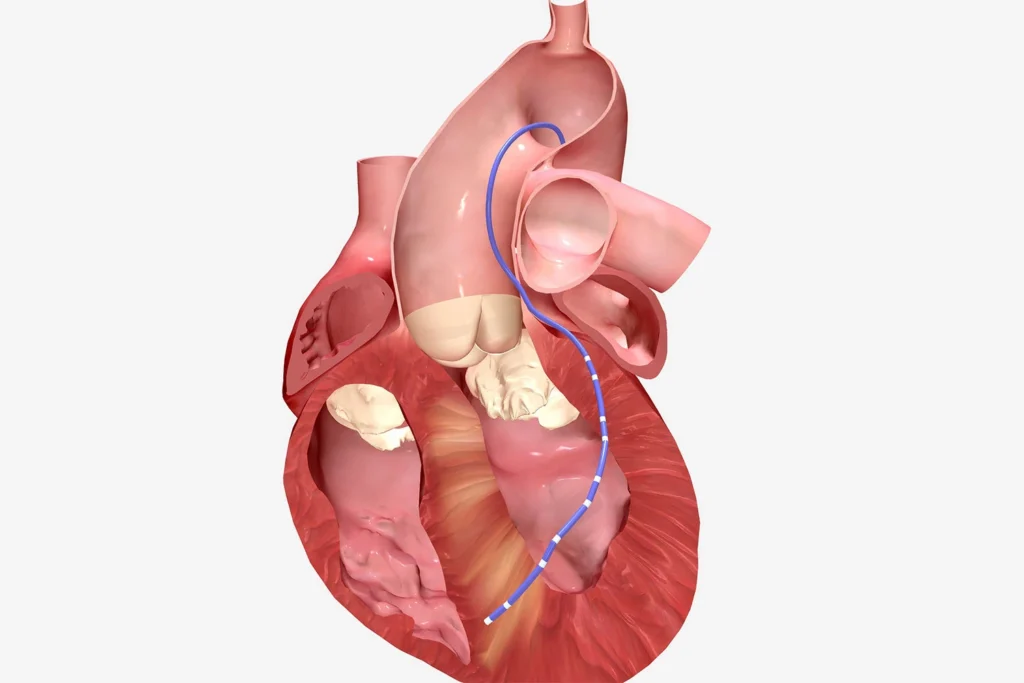
Heart Rhythm Ablation, also known as Catheter Ablation, is a procedure that uses heat (radiofrequency) or cold (cryoablation) to destroy small areas of heart tissue responsible for generating irregular electrical impulses.
Thin catheters are inserted through a blood vessel and guided into the heart. Once the abnormal electrical pathway is located, energy is delivered to eliminate it, helping the heart maintain a stable rhythm.
Ablation is recommended for:
- Atrial fibrillation (AFib)
- Supraventricular tachycardia (SVT)
- Atrial flutter
- Ventricular tachycardia (in select cases)
- Frequent premature ventricular contractions (PVCs)
- Patients who do not respond to medications
Heart Rhythm Ablation provides long-term correction without the need for major surgery.
Time Taken for the Procedure
Catheter Ablation is safe and efficient, and the overall timeline includes
The procedure
The procedure typically lasts 1.5 to 4 hours, depending on the type of arrhythmia.
Recovery and observation
Full recovery usually takes 3 to 7 days.
Total hospital time
Most patients stay in the hospital overnight and return home the next day.
Symptoms
Frequent Palpitations
Rapid or irregular heartbeats that interfere with daily life indicate an arrhythmia requiring ablation.
Dizziness / Lightheadedness
Abnormal heart rhythms can reduce blood supply to the brain, triggering repeated dizzy spells.
Episodes of Fainting (Syncope)
Some arrhythmias cause sudden drops in blood pressure, leading to fainting or near-fainting episodes.
Irregular Heartbeats Despite Medication
When medications fail to control symptoms, ablation offers a long-term rhythm correction.
Atrial Fibrillation & Flutter
Doctors recommend ablation to reduce stroke risk and regulate heart rhythm.
Severe Rapid Heartbeats (SVT or VT)
Ablation helps prevent recurrent episodes that may require emergency care.
Poor Quality of Life Due to Arrhythmias
Fatigue, anxiety, breathlessness, or poor concentration from irregular rhythm may require ablation.
Benefits
Long-Term Correction of Arrhythmias
Improves Heart Function
Minimally Invasive Treatment
Better Quality of Life
Preparations
Before the Day of Your Procedure:
On the Day of Your Procedure:
What Does the Procedure Involve?
Heart Rhythm Ablation is performed in a specialized electrophysiology (EP) lab.
Here’s what typically happens:
- Local anesthesia is applied to the groin area.
- Catheters are inserted through a blood vessel and guided into the heart.
- The electrical pathways are mapped to identify abnormal rhythm circuits.
- Radiofrequency energy (heat) or cryotherapy (freezing) is applied to destroy faulty tissue.
- The heart rhythm is tested again to ensure the abnormal signals are eliminated.
- Catheters are removed and light pressure or a bandage is applied.
The procedure is safe, precise, and restores normal heart rhythm in most cases.
What Follows the Procedure?
After ablation, you will be monitored in a recovery room.
First Week Recovery
- Rest for the first 24–48 hours.
- Walk lightly indoors to promote circulation.
- Avoid bending, squatting, or climbing stairs excessively.
- Do not lift more than 5–7 kg.
- Continue prescribed medications.
- Avoid caffeine, alcohol, and high-stress activities.
- Watch for any changes in heartbeat or symptoms.
- Resume normal routine within 3–7 days depending on your recovery.
Warning Signs to Watch For
Seek immediate medical care if you notice:
- Severe chest pain
- Difficulty breathing
- Persistent dizziness
- Rapid or irregular heartbeat returning
- Bleeding or swelling at catheter site
- Fever or chills
- Fainting or near-fainting episodes
- Leg numbness or severe groin pain
Early intervention ensures safe recovery and optimal results.
Frequently Asked Question (FAQs)
No. The procedure is done under local anesthesia with sedation, ensuring comfort throughout. Patients may feel slight pressure at the groin insertion site but no significant pain.
The procedure usually lasts 1.5 to 4 hours, depending on the type and severity of the arrhythmia. You may need overnight observation in the hospital.
Catheter ablation is highly effective, offering 70–90% success rates depending on the arrhythmia type. Many patients experience permanent relief and reduced dependence on medications.
Light activities can be resumed in 2–3 days.
Full routine usually resumes in 5–7 days, depending on your recovery and the type of arrhythmia treated.
Yes. AFib ablation is considered one of the most effective treatments for restoring normal rhythm, reducing stroke risk, and preventing recurrent episodes—especially when medicines fail.