

Heart Valve Replacement Surgery
Helping Your Heart Beat More Easily Again.
Heart Valve Replacement Surgery
Overview
Heart Valve Replacement Surgery is a major cardiac procedure used to replace a diseased heart valve that is too damaged to repair. When a valve becomes narrowed (stenosis) or leaky (regurgitation), the heart has to work harder to pump blood effectively. Over time, this leads to breathlessness, chest pain, swelling, fatigue, dizziness, or even heart failure.
Heart Valve Replacement Surgery is performed to restore normal blood flow through the heart and prevent long-term complications. At Good Heart Clinic, the surgery is carried out by skilled cardiac surgeons using modern techniques and high-quality mechanical or bioprosthetic valves. The procedure offers improved symptoms, better heart function, and enhanced life expectancy.
Valve replacement may be performed on the aortic, mitral, tricuspid, or pulmonary valve, but most commonly involves the aortic and mitral valves.
Heart Valve Replacement Surgery in Pune
If you are looking for expert evaluation for heart valve replacement surgery in Pune, Good Heart Clinic provides comprehensive cardiac assessment, surgical guidance, and structured follow-up care for patients with severe valve disease.
Valve replacement surgery in Pune is recommended when a damaged or narrowed heart valve cannot be repaired and significantly affects blood flow and heart function.
What is a Heart Valve Replacement Surgery?
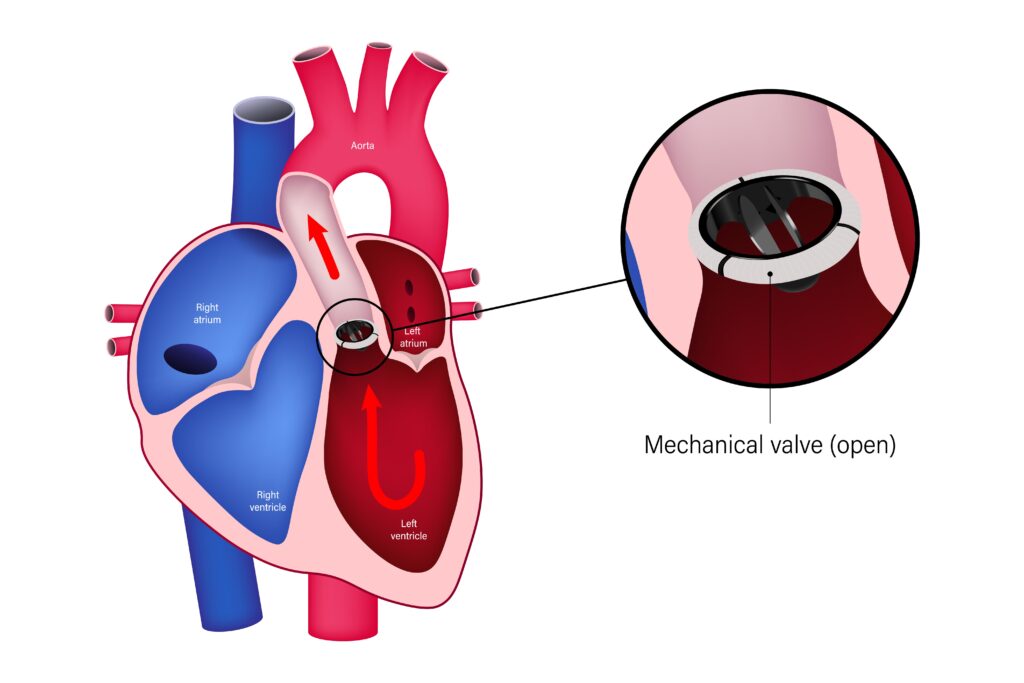
Heart Valve Replacement Surgery involves removing the damaged heart valve and replacing it with an artificial valve. This artificial valve can be:
1. Mechanical Valve
- Made of durable materials like titanium or carbon
- Long-lasting (often for life)
- Requires lifelong blood thinners
2. Bioprosthetic (Tissue) Valve
- Made from animal or human tissue
- Does not require lifelong anticoagulation
- Lasts 10–15 years
Time Taken for the Procedure
Heart Valve Replacement is a structured surgical procedure:
The procedure
The surgery usually lasts 3 to 4 hours
Recovery and observation
Full recovery takes 6 to 10 weeks, depending on the patient’s health
Total hospital time
Hospital stay typically lasts 5 to 7 days
Symptoms
Severe Shortness of Breath
Valve stenosis or regurgitation restricts blood flow, causing breathlessness even during mild activity.
Persistent Chest Pain or Pressure
When the valve cannot open or close properly, the heart struggles to pump, leading to chest discomfort.
Fainting / Dizziness
Reduced blood flow to the heart weakens its pumping ability, making patients feel tired or breathless easily.
Swelling in Legs, Ankles, or Abdomen
Fluid retention indicates the heart is failing to pump efficiently.
Palpitations or Irregular Heartbeats
Valve disease can stretch heart chambers, leading to arrhythmias.
Worsening Fatigue or Weakness
CABG offers better outcomes in diabetic patients with multiple blockages compared to stenting.
Post-Heart Attack Treatment
When arteries remain critically blocked after a heart attack, CABG may be needed to prevent future events.
Benefits
Reduces Risk of Heart Attack
Better Quality of Life
Reduces Risk of Heart Failure
Improves Overall Quality of Life
Preparations
Before the Day of Your Procedure:
On the Day of Your Procedure:
What Does the Procedure Involve?
Heart Valve Replacement Surgery is performed under general anesthesia.
Here’s what typically happens:
- The surgeon makes an incision in the chest to access the heart.
- The patient is connected to a heart-lung machine to maintain blood circulation.
- The damaged valve is carefully removed.
- A mechanical or bioprosthetic valve is selected based on the patient’s condition and preference.
- The new valve is securely stitched into place.
- The heart is restarted, and the chest is closed.
- The patient is shifted to the ICU for close monitoring.
In selected patients, minimally invasive valve replacement can be done through smaller cuts, reducing recovery time.
What Follows the Procedure?
Recovery after valve replacement is carefully monitored to ensure optimal healing.
First Week Recovery
- Avoid lifting heavy items or pushing/pulling activities.
- Follow breathing exercises strictly.
- Keep the incision clean and dry.
- Walk short distances indoors to regain strength.
- Eat soft, heart-healthy meals to support healing.
- Avoid long travel during the first week.
- Take medications—especially blood thinners—regularly.
Warning Signs to Watch For
Contact your doctor immediately if you notice:
- Fever or chills
- Excessive chest pain
- Redness or discharge at the incision site
- Shortness of breath
- Irregular heartbeat or palpitations
- Persistent leg swelling
- Severe dizziness or fainting
- Uncontrolled bleeding (especially with blood thinners)
Prompt care helps prevent complications.
Frequently Asked Question (FAQs)
Yes, most valve replacements are performed as open-heart procedures. However, in selected patients, minimally invasive valve replacement or transcatheter techniques (like TAVI/TAVR) may be used to reduce recovery time and surgical risk.
The surgery takes 3–4 hours, followed by 1–2 days in the ICU and 5–7 days in the hospital. Full recovery takes 6–10 weeks, depending on your overall health.
Yes. It is a highly successful and widely performed cardiac surgery. With modern techniques, advanced monitoring, and skilled cardiac surgeons, the procedure offers excellent long-term outcomes and symptom relief.
Patients with mechanical valves must take lifelong blood thinners (like Warfarin).
Patients with bioprosthetic valves may need blood thinners for a short duration.
Your doctor will prescribe medication based on the type of valve and your health condition.
Most patients do not feel the valve. Some may hear a soft clicking sound with mechanical valves, which is harmless and normal.