

Coronary Artery Bypass Surgery (CABG)
Precision Bypass for Lifelong Heart Strength.
Coronary Artery Bypass Surgery (CABG)
Overview
Coronary Artery Bypass Surgery, commonly known as CABG or heart bypass surgery, is a major cardiac procedure performed to restore normal blood flow to the heart when coronary arteries become severely blocked. These blockages reduce the supply of oxygen-rich blood to the heart muscle, causing chest pain, breathlessness, fatigue, or even life-threatening heart attacks.
CABG is one of the most effective long-term treatments for advanced coronary artery disease. During the procedure, blood vessels from the leg, arm, or chest are used to create new pathways (bypasses) around blocked arteries. This ensures that the heart receives adequate blood supply and continues functioning efficiently.
At Good Heart Clinic, CABG is performed by experienced cardiac surgeons using advanced surgical techniques. Whether done as an open-heart surgery or minimally invasive method (MIDCAB), the goal is to improve heart function, relieve symptoms, reduce the risk of heart attack, and enhance long-term survival.
Coronary Artery Bypass Surgery in Pune | CABG
If you are looking for expert guidance for coronary artery bypass surgery in Pune, Good Heart Clinic provides comprehensive cardiac evaluation, risk assessment, and pre- and post-surgical care for patients with severe coronary artery disease.
Heart bypass surgery in Pune is recommended when coronary arteries are significantly blocked and cannot be effectively treated with angioplasty or medication alone.
What is a Coronary Artery Bypass Surgery (CABG)?
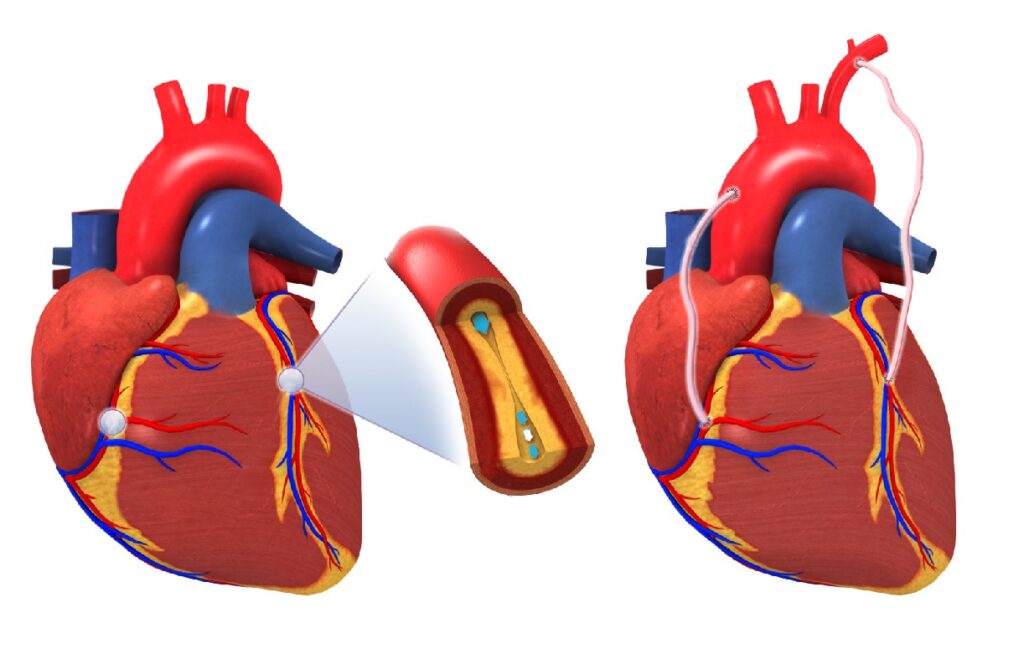
Coronary Artery Bypass Surgery is a surgical procedure where one or more blocked coronary arteries are bypassed using grafts taken from other parts of the body. These grafts create a new route for blood to reach the heart muscle, avoiding the blocked section.
CABG is recommended when:
- Multiple coronary arteries are blocked
- Angioplasty or stenting is not possible or not effective
- Blockages occur in critical arteries like the left main artery
- Patients have diabetes or weak heart function
- Angina symptoms are severe and persistent
- There is high risk of a heart attack
CABG significantly improves heart performance, reduces chest pain, and increases lifespan in patients with advanced heart disease.
Time Taken for the Procedure
CABG offers long-term relief and durable results for patients with severe coronary artery disease.
The procedure
The surgery usually lasts 3 to 5 hours.
Recovery and observation
Full recovery takes 6 to 12 weeks, although many feel better within weeks.
Total hospital time
Hospital stay usually lasts 5 to 7 days, depending on recovery.
Symptoms
Severe or Multiple Heart Blockages
When angiography shows multiple blockages, especially in major arteries, CABG is advised for improved blood flow.
Persistent Chest Pain (Angina)
Persistent Chest Pain (Angina)
Breathlessness and Fatigue
Reduced blood flow to the heart weakens its pumping ability, making patients feel tired or breathless easily.
Left Main Coronary Artery Disease
Blockage in the left main artery is life-threatening and often requires bypass surgery.
Poor Heart Function
CABG improves oxygen supply to the heart muscle and enhances overall cardiac performance.
Diabetes with Multivessel Disease
CABG offers better outcomes in diabetic patients with multiple blockages compared to stenting.
Post-Heart Attack Treatment
When arteries remain critically blocked after a heart attack, CABG may be needed to prevent future events.
Benefits
Restores Blood Supply to the Heart
Long-Term Solution for Severe Blockages
Reduces Risk of Heart Attack
Better Quality of Life
Preparations
Before the Day of Your Procedure:
On the Day of Your Procedure:
What Does the Procedure Involve?
CABG is performed by a team of cardiac surgeons, anesthesiologists, and heart-lung machine specialists.
Here is what typically happens:
- You are given general anesthesia and will be asleep throughout the surgery.
- The surgeon takes healthy blood vessels (grafts) from the leg, arm, or chest.
- The chest is opened through a midline incision, or small cuts in minimally invasive cases.
- The grafts are connected to the coronary arteries beyond the blockages to create new pathways.
- The heart may be temporarily stopped using a heart-lung machine, or beating-heart CABG may be performed.
- Once all bypasses are completed, the chest is closed with sutures or staples.
- You are shifted to the ICU for monitoring and pain management.
CABG provides effective and lasting results by ensuring the heart gets a fresh, reliable blood supply.
What Follows the Procedure?
After CABG, recovery is closely monitored to ensure the heart heals properly.
First Week Recovery
- Avoid lifting heavy objects or climbing stairs excessively.
- Take short walks to regain strength.
- Keep the incision clean and dry.
- Follow breathing exercises prescribed by the healthcare team.
- Eat soft, nutritious, heart-friendly foods.
- Avoid sitting or lying in one position for too long.
- Use a pillow to support your chest while coughing or sneezing.
- Take medications regularly—especially pain relievers, blood thinners, and heart medicines.
Warning Signs to Watch For
Seek medical care immediately if you notice:
- High fever or chills
- Redness, swelling, or discharge from the incision
- Severe chest pain
- Breathing difficulty
- Irregular or fast heartbeat
- Excessive fluid retention (legs or feet swelling)
- Dizziness or fainting
- Persistent nausea or vomiting
Timely care ensures smooth and safe recovery.
Frequently Asked Question (FAQs)
Yes, CABG is a type of open-heart surgery. However, modern techniques like beating-heart CABG and minimally invasive CABG reduce complications and recovery time. The choice depends on the patient’s heart condition and blockages.
CABG typically takes 3–5 hours, depending on the number of grafts needed and the patient’s condition. ICU monitoring follows for 1–2 days, and most patients stay in the hospital for 5–7 days.
Yes. CABG is one of the most successful and commonly performed cardiac surgeries worldwide. In experienced hands, the risks are low, and long-term survival improves significantly—especially in patients with multivessel disease.
Initial recovery takes 2–4 weeks, and full recovery usually takes 6–12 weeks. Patients gradually regain strength through gentle walking, breathing exercises, and cardiac rehabilitation programs.
Yes. Patients continue medicines such as blood thinners, cholesterol-lowering drugs, heart-protective medications, and sometimes beta-blockers. These support graft health and prevent future blockages.