

TAVI/TAVR - Transcatheter Aortic Valve Implantation/Replacement
Overview
TAVI/TAVR (Transcatheter Aortic Valve Implantation/Replacement) is a groundbreaking, minimally invasive heart procedure performed to replace a severely narrowed aortic valve. Aortic stenosis occurs when the aortic valve becomes stiff or calcified, making it difficult for blood to flow from the heart to the rest of the body. This can lead to breathlessness, fatigue, chest pain, fainting spells, or even heart failure.
TAVI/TAVR provides an excellent alternative to open-heart surgery, especially for elderly patients, high-risk individuals, or those who are not suitable candidates for surgical valve replacement. At Good Heart Clinic, TAVI/TAVR is performed using advanced imaging guidance and state-of-the-art valve systems that restore normal valve function without the need for a large chest incision.
The procedure uses a catheter inserted through the leg artery or chest to place a fully functional valve inside the narrowed native valve. It offers quicker recovery, fewer complications, and improved long-term survival for patients with severe aortic stenosis.
TAVI in Pune
If you are looking for advanced TAVI in Pune, Good Heart Clinic provides expert evaluation and structural heart care for patients with severe aortic stenosis who may not be ideal candidates for open-heart surgery.
Transcatheter Aortic Valve Implantation in Pune is a minimally invasive procedure that replaces a diseased aortic valve without the need for traditional open surgery.
What is a TAVI/TAVR?
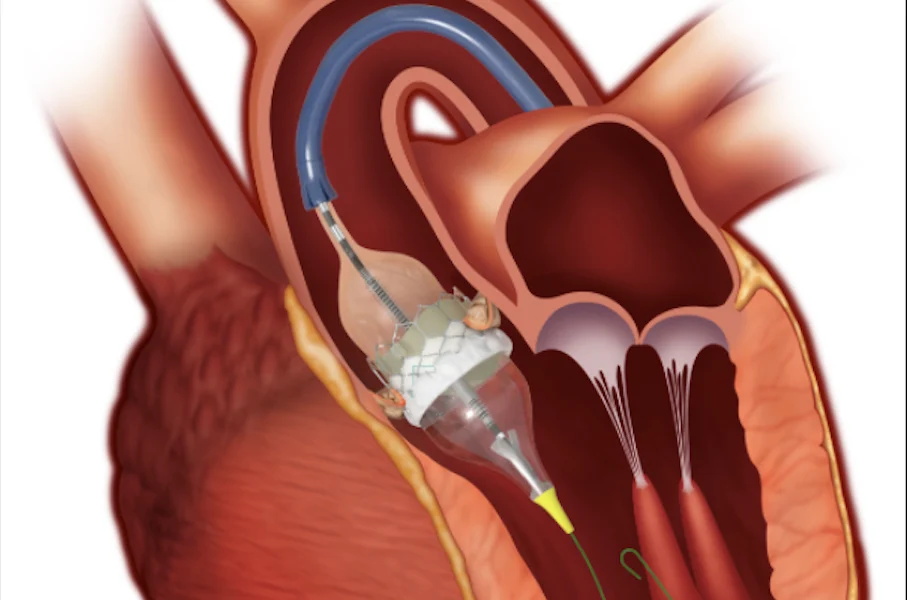
TAVI (also known as TAVR) is a minimally invasive valve replacement procedure where a new artificial valve is implanted through a catheter rather than open-heart surgery. The new valve pushes aside the diseased one and begins working immediately.
It is commonly recommended for patients with:
- Severe aortic valve stenosis
- Elderly age or fragile health
- High or intermediate surgical risk
- Weak heart function
- Calcified and stiff aortic valves
- Patients unable to undergo traditional valve surgery
TAVI/TAVR has revolutionized heart valve treatment and is considered one of the safest and most effective options for restoring normal blood flow in high-risk patients.
Time Taken for the Procedure
TAVI/TAVR is structured, highly controlled, and efficient:
The procedure
The procedure typically takes 1 to 2 hours.
Recovery and observation
Recovery is significantly quicker compared to open-heart surgery.
Total hospital time
Most patients require 2–4 days of hospital stay for observation.
Symptoms
Severe Shortness of Breath
A stiff aortic valve restricts blood flow, making it difficult to breathe even during mild activities.
Chest Pain / Pressure
Due to reduced blood supply, the heart struggles to pump effectively, causing discomfort.
Frequent Fainting Episodes
Aortic stenosis can cause sudden fainting because the brain receives insufficient blood flow.
Extreme Fatigue / Low Stamina
Patients feel tired easily because their heart cannot meet the body's energy demands.
Heart Murmurs Detected on Evaluation
A loud murmur may indicate narrowed aortic valves requiring immediate intervention.
Heart Failure Symptoms
Swelling of legs, breathlessness, and reduced output may signal advanced valve narrowing.
High Surgical Risk or Old Age
Patients who cannot undergo open-heart surgery benefit greatly from TAVI/TAVR.
Benefits
Minimally Invasive Valve Replacement
Significant Improvement in Symptoms
Ideal for Elderly & High-Risk Patients
Excellent Long-Term Outcomes
Preparations
Before the Day of Your Procedure:
On the Day of Your Procedure:
What Does the Procedure Involve?
TAVI/TAVR is conducted under imaging guidance inside a hybrid cath lab or operating suite.
Here’s how the procedure typically takes place:
- Local anesthesia or light sedation is administered.
- A catheter is inserted through the femoral artery (groin) or sometimes directly through a small incision in the chest.
- The catheter carrying the artificial valve is guided to the narrowed aortic valve.
- The new valve is expanded—either through balloon inflation or self-expansion.
- The new valve pushes aside the old hardened valve and starts functioning immediately.
- Once the valve is placed, the catheter is withdrawn.
- Pressure is applied or a closure device is placed at the catheter site.
The entire process is painless, precise, and provides immediate improvement in blood flow.
What Follows the Procedure?
After TAVI/TAVR, patients are moved to a recovery room or ICU for monitoring.
First Week Recovery
- Rest adequately and avoid overexertion.
- Keep the catheter site clean and dry.
- Walk slowly to regain stamina and prevent blood clots.
- Avoid climbing stairs repeatedly in the first few days.
- Follow a heart-healthy, low-salt diet.
- Take all prescribed medicines on time.
- Attend your scheduled follow-up appointment within the first week.
Most patients feel dramatic improvement in breathing and energy within days.
Warning Signs to Watch For
Contact your doctor immediately if you notice:
- Severe chest pain
- Sudden shortness of breath
- Irregular or fast heartbeat
- Excessive bleeding at the catheter site
- Fever or signs of infection
- Fainting or dizziness
- Swelling or pain in legs
- New or worsening fatigue
Timely medical attention helps avoid rare complications.
Frequently Asked Question (FAQs)
Yes. TAVI/TAVR is a safe and highly advanced procedure performed in a hybrid cath lab. It uses small incisions and avoids stopping the heart. Complication rates are low, particularly compared to open-heart valve surgery in high-risk patients.
The procedure usually takes 1–2 hours. After the procedure, patients are monitored for 12–24 hours and typically stay in the hospital for 2–4 days.
Most TAVI/TAVR procedures are done under local anesthesia with mild sedation. This keeps the patient comfortable yet avoids the need for full general anesthesia. In select cases, general anesthesia may be required.
For high-risk and elderly patients, TAVI/TAVR is often safer than surgical valve replacement. It avoids a large incision, has fewer complications, and offers quicker recovery. Younger or low-risk patients may still be recommended surgery depending on valve condition.
Most patients begin walking within 24 hours and can resume light activities in 3–5 days. Full recovery usually takes 1–2 weeks, much faster than open-heart surgery.