

Pacemaker Implantation
Overview
Pacemaker implantation is a life-saving cardiac procedure used to correct slow or irregular heartbeats. When the natural electrical system of the heart becomes weak or blocked, the heart cannot pump blood effectively. This leads to symptoms such as dizziness, fainting, extreme fatigue, breathlessness, and sometimes life-threatening rhythm disturbances. A pacemaker helps regulate the heartbeat, ensuring that the heart maintains a stable and healthy rhythm.
At Good Heart Clinic, pacemaker implantation is performed using advanced technology and high-precision techniques. Modern pacemakers are compact, reliable, and designed to adapt to the body’s changing needs. They monitor your heartbeat continuously and send electrical signals to keep it steady. Whether a patient requires a single-chamber, dual-chamber, or biventricular pacemaker, our specialists ensure the most appropriate device is selected for long-term heart health.
A pacemaker provides safety, stability, and confidence to individuals who suffer from rhythm disorders. It improves daily energy, reduces symptoms, and significantly enhances quality of life.
Pacemaker Implantation in Pune
If you are looking for expert pacemaker implantation in Pune, Good Heart Clinic provides comprehensive evaluation and advanced treatment for patients with slow heart rhythms (bradycardia) and other rhythm disorders.
A permanent pacemaker in Pune helps regulate abnormal heartbeats and ensures the heart maintains a stable and effective rhythm.
What is a Pacemaker Implantation ?
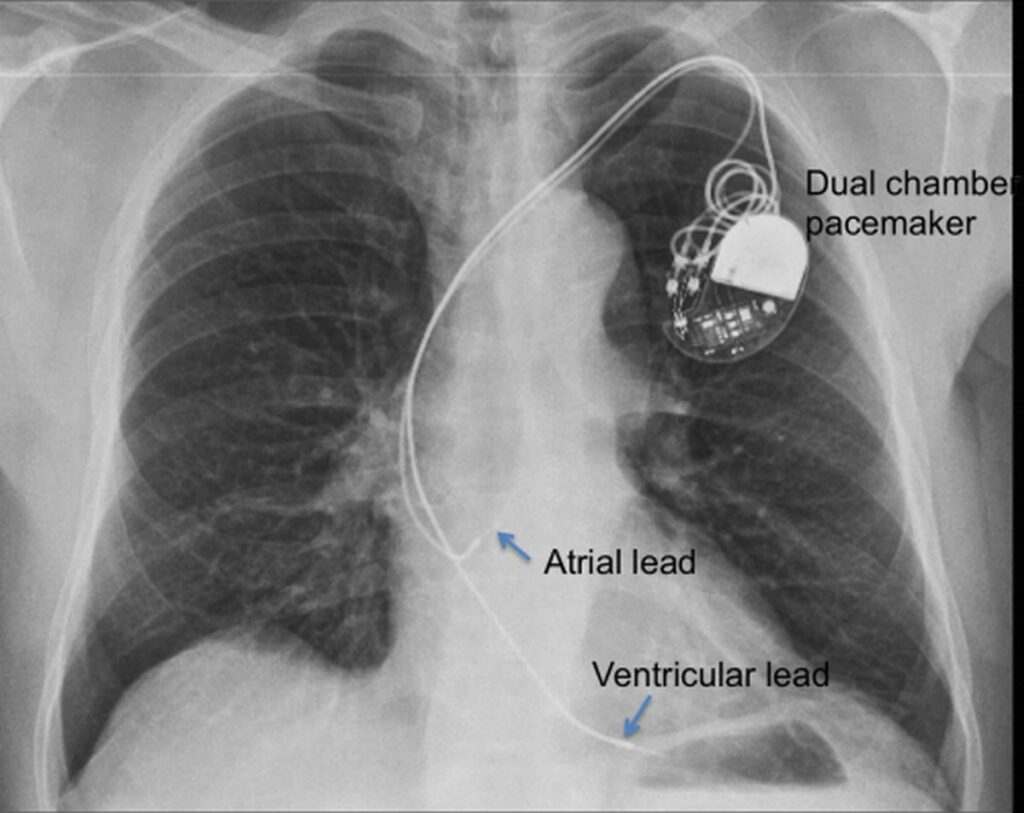
Pacemaker implantation is a minimally invasive procedure in which a small electronic device is placed under the skin, usually near the collarbone. The pacemaker is connected to the heart using thin wires called leads. These leads detect the heart’s electrical activity and send small pulses when the heartbeat becomes too slow or irregular.
Pacemakers are commonly recommended for patients with:
- Bradycardia (abnormally slow heartbeat)
- Heart block (delay or interruption in the heart’s electrical signals)
- Syncope (fainting spells) due to slow heartbeat
- Irregular heart rhythms affecting daily activities
- Heart failure requiring specialized pacemakers
- Post-cardiac surgery rhythm disturbances
The procedure is safe, quick, and offers lasting benefits. Modern pacemakers last 8–12 years depending on the model and usage.
Time Taken for the Procedure
Pacemaker implantation is a structured yet simple procedure
The procedure
The procedure usually takes 60 to 90 minutes.
Recovery and observation
Full recovery takes 1 to 2 weeks, although most patients feel better within a couple of days.
Total hospital time
Most patients stay in the hospital for 24 hours for observation after the implantation.
Symptoms
Slow Heartbeat (Bradycardia)
When the heartbeat drops too low, it can cause dizziness, tiredness, and fainting. A pacemaker helps maintain a stable heart rate.
Heart Block
When the electrical signals between the upper and lower chambers are interrupted, pacemaker implantation ensures proper communication and rhythm.
Frequent Fainting
Syncope caused by rhythm problems may require a pacemaker to prevent further episodes.
Persistent Fatigue and Weakness
If the heart cannot pump enough blood due to irregular rhythm, pacemaker support becomes essential.
Irregular Heartbeat Causing Breathlessness
A pacemaker helps stabilize the rhythm, improving breathing and oxygen supply.
Post-Heart Surgery or Post-Heart Attack Rhythm Issues
When the natural electrical system becomes weakened, a pacemaker helps restore stability.
Heart Failure Patients Needing Special Pacemakers
Advanced pacemakers like CRT help coordinate heartbeat and improve heart function.
Benefits
Maintains a Stable Heart Rhythm
Prevents Fainting and Dizziness
Enhances Long-Term Heart Function
4. Improves Quality of Life
Preparations
Cardiologist will guide you through the necessary steps to ensure the procedure is safe and smooth.
Before the Day of Your Procedure:
On the Day of Your Procedure:
What Does the Procedure Involve?
Pacemaker implantation is performed under local anesthesia with mild sedation to keep you comfortable.
Here is what usually happens:
- You are asked to lie on the procedure table, and the area under your collarbone is cleaned and numbed.
- A small incision is made to create a pocket for the pacemaker device.
- One or two leads (wires) are guided through a vein into the heart under X-ray guidance.
- The leads are positioned in the correct heart chamber and connected to the pacemaker.
- The device is tested to ensure it delivers accurate electrical signals.
- Once confirmed, the pacemaker is placed inside the pocket and the incision is closed.
- A sterile dressing is applied to protect the area.
The entire process is safe, controlled, and closely monitored by the cardiac team.
What Follows the Procedure?
After pacemaker implantation, patients are moved to a recovery room for continuous monitoring.
First Week Recovery
The first week after pacemaker implantation is crucial for healing and ensuring the leads remain stable.
- Rest as much as possible and avoid strenuous activities.
- Keep the pacemaker site clean and dry to prevent infection.
- Sleep on the side opposite the pacemaker to reduce pressure on the device area.
- Avoid sudden arm movements and do not stretch or raise your arm above shoulder height on the pacemaker side.
- Take prescribed medications regularly, especially antibiotics and pain relievers, if advised.
- Monitor the incision daily for signs of redness, swelling, or discharge.
- Mild bruising is normal, but severe pain should be reported.
- Stay hydrated and maintain a light, heart-healthy diet to support recovery.
Most patients feel significantly better within the first week as their heart rhythm stabilizes.
Warning Signs to Watch For
Although pacemaker implantation is very safe, you should watch for the following symptoms and seek medical care immediately if they occur:
- Increased redness, swelling, warmth, or pus at the incision site
- Fever, chills, or signs of infection
- Sharp or worsening chest pain
- Shortness of breath or difficulty breathing
- Sudden dizziness, fainting, or severe fatigue
- Rapid, irregular, or unusually slow heartbeat
- Persistent swelling or bleeding at the pacemaker site
- Arm or shoulder pain that continues to worsen
- Feeling electric shocks or abnormal sensations near the pacemaker
If you notice any of these signs, contact your cardiologist or visit emergency services without delay.
Frequently Asked Question (FAQs)
No. Pacemaker implantation is a minimally invasive procedure performed under local anesthesia. The device is placed under the skin near the collarbone, and thin leads are guided into the heart. Most patients return home within 24 hours.
Modern pacemakers last between 8 to 12 years, depending on the type of device, battery usage, and your heart condition. Regular follow-ups help track battery life and overall device performance.
No. Pacemakers are small, lightweight, and silent. Most patients do not feel the device working. You may feel mild awareness of the device during the initial healing phase, but this becomes normal over time.
Yes. A pacemaker helps you return to normal activities with improved energy levels. You can walk, exercise moderately, travel, and work as usual once your doctor confirms recovery. The device ensures consistent heart rate monitoring and rhythm control.
The procedure itself is not painful because it is done under local anesthesia. After implantation, mild soreness or discomfort near the incision is common, but it improves within a few days.