
Cardiac Stress Testing
Test your heart’s strength with a safe, trusted TMT
Cardiac Stress Testing
Overview
Cardiac Stress Testing is one of the most reliable diagnostic tools used to assess how well your heart performs when it is working harder than usual. Many heart conditions remain silent during rest, but become noticeable when the heart is stressed—either through physical activity or medication. A stress test helps cardiologists identify irregular heart rhythms, reduced blood flow to the heart, or early signs of coronary artery disease.
At Good Heart Clinic, our advanced cardiac stress testing setups ensure safe, accurate, and patient-centric evaluation for timely diagnosis and treatment.
Cardiac Stress Testing in Pune
If you are looking for reliable cardiac stress testing in Pune, Good Heart Clinic offers advanced treadmill and exercise stress tests to evaluate how your heart performs during physical activity.A stress test for heart in Pune helps detect blocked arteries, assess chest pain, and identify early signs of coronary artery disease.
What is a Cardiac Stress Testing?
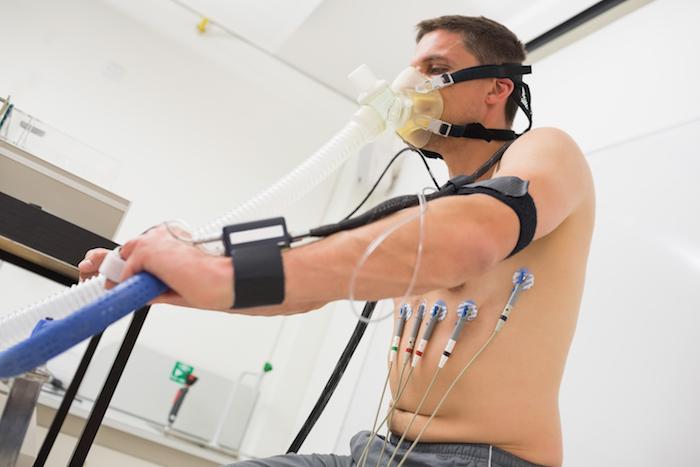
A Cardiac Stress Test (also known as a Treadmill Stress Test, Exercise Stress Test, or ECG Stress Test) measures your heart’s electrical activity, blood pressure, and oxygen levels while you perform controlled physical exercise.
By monitoring your heart during increased activity, cardiologists can detect issues that may not appear when your body is at rest. The test is widely used to detect blocked arteries, exercise-induced arrhythmias, reduced oxygen supply, or unusual changes in blood pressure.
Cardiac Stress Testing is non-invasive, painless, and plays a critical role in planning timely prevention, treatment, and lifestyle changes. The test involves either exercising on a treadmill or stationary bike, or receiving medication that makes your heart work harder, while continuous monitoring tracks your heart’s electrical activity (ECG), blood pressure, heart rate, and any symptoms you experience.
Types of Cardiac Stress Testing
Cardiac stress testing is available in several formats, depending on your health condition, fitness level, and medical requirements
Exercise Stress Test (Treadmill or Bicycle Test)
The most common test where you walk or jog on a treadmill while connected to ECG leads. Speed and incline gradually increase to raise your heart rate.
Pharmacological Stress Test
Used for patients unable to exercise due to age, arthritis, weakness, or medical restrictions. Medications such as dobutamine or adenosine simulate the effect of exercise on the heart.
Stress Echocardiography
Combines exercise or medication-induced stress with real-time ultrasound imaging. It helps visualize how heart muscles contract under pressure and detect wall-motion abnormalities.
Nuclear Stress Test (Myocardial Perfusion Scan)
A special dye and gamma camera capture detailed images of blood flow to the heart. It shows which areas of the heart receive less blood supply during exercise.
Symptoms
Chest Discomfort
Unexplained tightness or heaviness during activity or stress.
Shortness of Breath
If normal walking or mild exercise leaves you breathless.
Dizziness / Fainting
Feeling lightheaded or unstable during physical activity.
Fatigue and Weakness
Tiredness beyond normal exertion could indicate heart strain.
Palpitations or Rapid Heartbeats
Irregular or racing heartbeat experienced during simple tasks.
History of Heart Disease
Monitoring heart performance after angioplasty, bypass, or stenting.
High Blood Pressure
Evaluating heart response to physical workload in hypertension.
Pre-Surgery Cardiac Evaluation
Ensuring the heart can handle stress during major surgeries.
Benefits
Detects Coronary Artery Disease
Assesses Functional Capacity
Evaluates Symptoms
Risk Stratification
Preparations
Wear Comfortable Clothing
Eating and Drinking Guidelines
Diabetic Patients:
- Adjust insulin or oral diabetes medications due to fasting
- Bring glucose tablets or snack for after test
- Monitor blood sugar before leaving home
- Inform staff if you feel hypoglycemic
NEVER stop medications without explicit instructions from your cardiologist. Bring complete medication list with dosages.
What NOT to Do
Procedure
1. Pre-test Evaluation
Your blood pressure, heart rate, and ECG are recorded while you are at rest. Electrodes are placed on your chest to monitor heart activity.
2. Exercise Phase
You will walk on a treadmill as speed and incline slowly increase.
The goal is to reach 85% of your age-predicted maximum heart rate, unless symptoms restrict further activity.
During this phase, the team continuously monitors:
- ECG changes
- Blood pressure
- Oxygen levels
- Your symptoms (pain, breathlessness, dizziness)
3. Monitoring & Safety
The test is supervised by trained cardiology professionals. It is stopped immediately if you experience severe discomfort.
4. Cool-down Phase
Once enough data is collected, the treadmill is slowed down gradually. Your heart readings are monitored until normal levels return.
The entire procedure usually lasts 15–20 minutes.
Frequently Asked Question (FAQs)
Cardiac Stress Testing is highly accurate in identifying exercise-triggered chest pain, abnormal heart rhythms, and ischemia. If combined with imaging (Stress Echo or Nuclear Stress Test), its accuracy significantly increases, helping detect even early-stage coronary artery disease.
You may need a stress test if you experience chest pain, breathlessness, unexplained fatigue, dizziness, palpitations, or have risk factors like diabetes, hypertension, or a family history of heart disease. It’s also recommended before major surgeries.
Yes. Cardiac Stress Testing is safe, monitored, and medically supervised. Continuous ECG and blood pressure monitoring ensure the test can be stopped immediately if needed. It is commonly performed even for elderly patients and those with previous cardiac treatments.
No. The test itself is painless. You may feel tired or breathless because of exercise, which is normal. If you feel severe discomfort, the test will be immediately stopped by the medical team.
A stress test can help diagnose coronary artery disease, exercise-induced arrhythmias, ischemic changes, poor blood flow, abnormal blood pressure responses, and reduced exercise capacity.